Home Decor & Styling
Work-From-Home Desk Styling That Doesn't Look Like an Office
A home office desk doesn't need to look like a cubicle that wandered into your living room. The difference between a corner that reads "work" and one that reads "part of my home" usually comes down to three or four deliberate choices, not a full redesign. Most people over-invest in organizers and under-invest in the things that actually make a desk feel considered.
Start by removing, not adding
Before buying anything, clear the desk down to what you use daily. Chargers, old notepads, and stray pens accumulate fast, and no amount of styling survives a cluttered base layer. Once the surface is empty, you'll see how little you need to add back.
Swap the generic mug for one that earns its spot
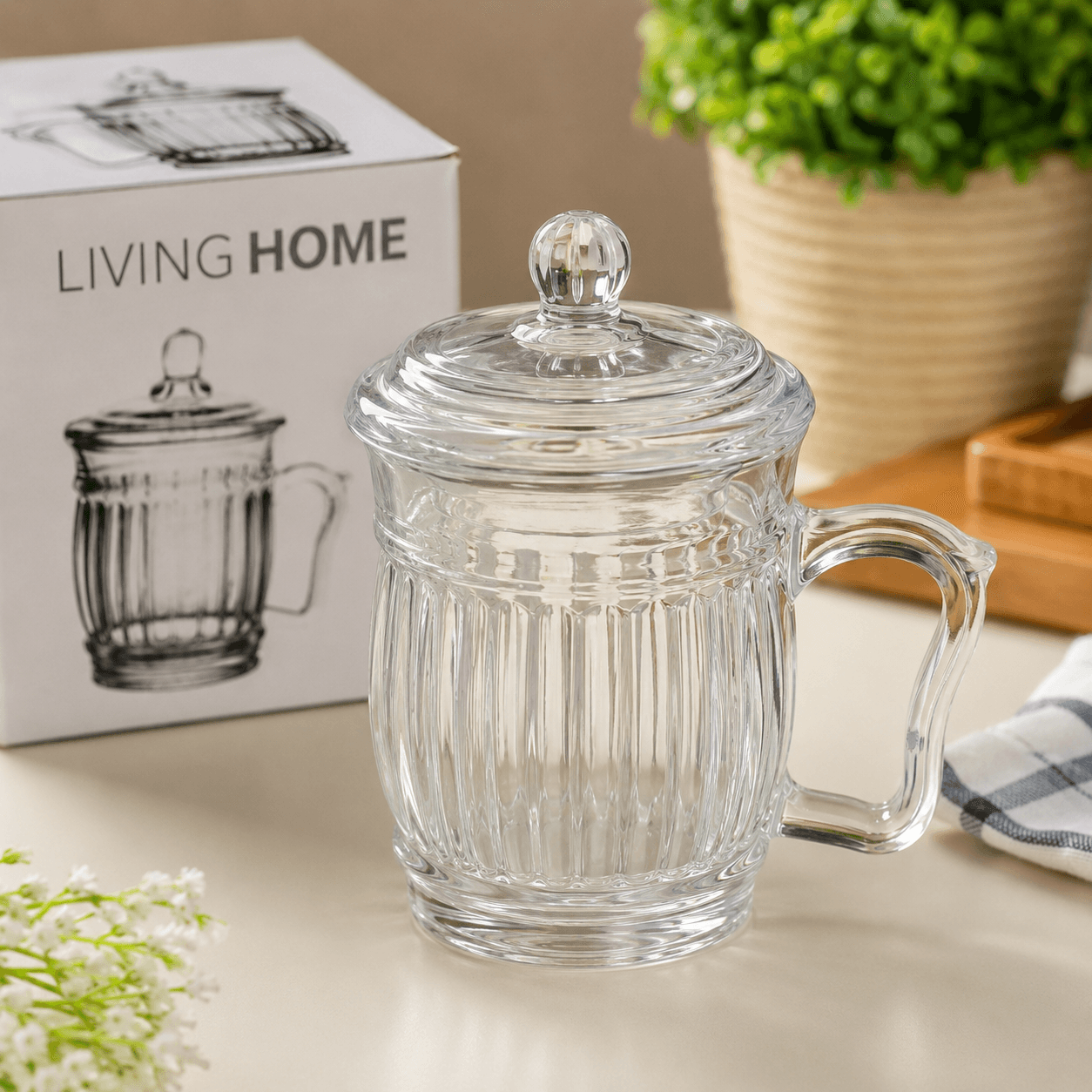
A Ribbed Glass Mug with Lid does double duty as desk decor and your actual coffee vessel, replacing whatever chipped or mismatched mug currently lives there. If you drink more cold coffee or iced tea through the day, a Glass Straw Tumbler Mug or Smoke Glass Straw Mug works just as well and looks intentional sitting next to your laptop rather than hidden in the kitchen.
Add one piece with no "work" purpose at all
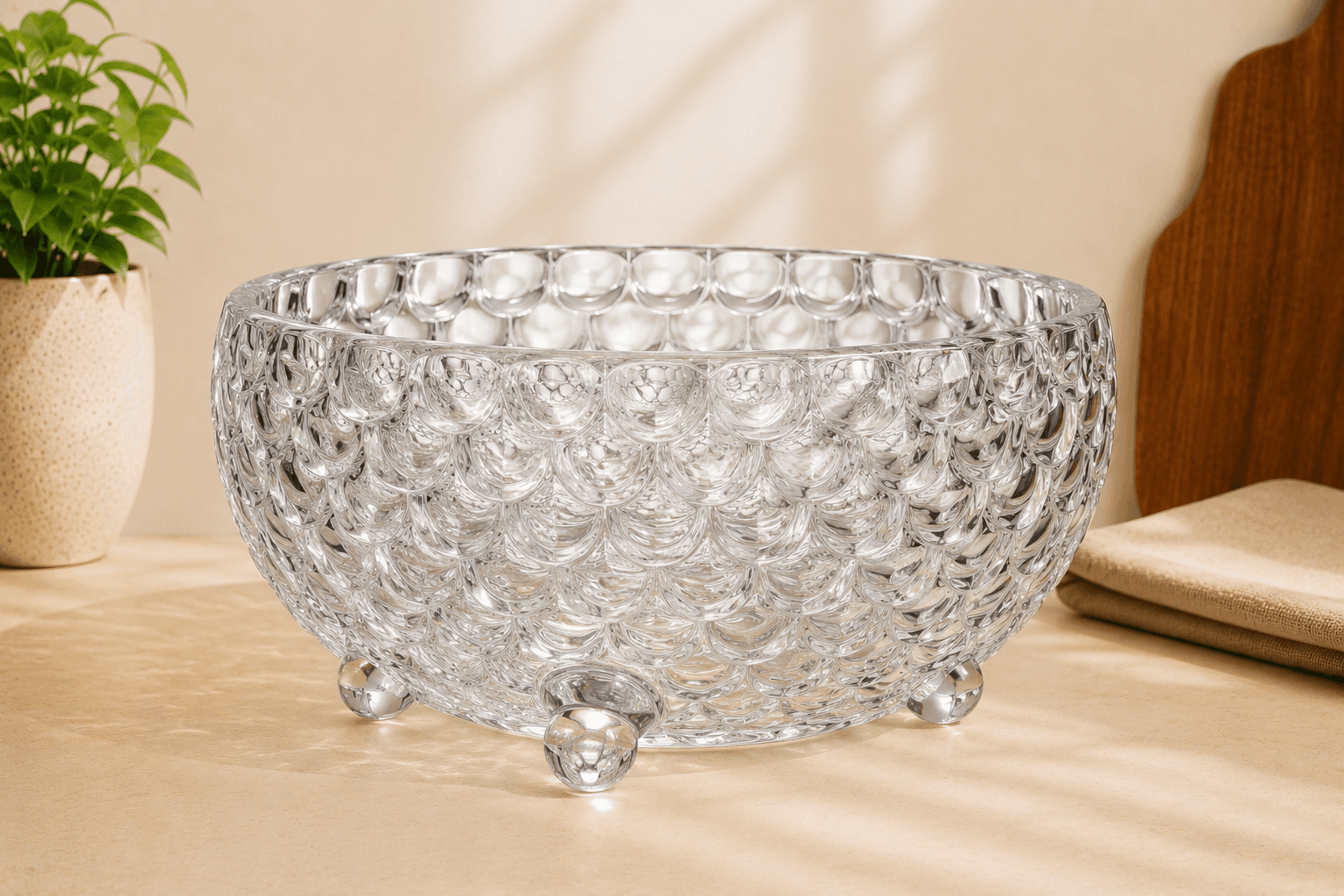
This is the single highest-leverage move in desk styling. A small Crystal Glass Vase or a Bubble-Textured Glass Jar (something that has nothing to do with spreadsheets or meetings) softens the whole setup instantly. It signals that this corner belongs to your home, not to your employer, even during working hours.
Keep water within reach
A Steel Insulated Water Bottle parked on the desk does more for your actual workday than most decor choices combined, and it looks far better than a plastic bottle collecting condensation rings on your laptop sleeve. Function and styling rarely align this cleanly.
Manage cables before you manage aesthetics
No amount of styling survives visible cable clutter. This matters more for the "doesn't look like an office" goal than any single decor piece you buy. Route cords behind the desk or through a drawer grommet before you spend another rupee on decorative objects; a beautifully styled desk with a tangle of wires underneath still reads as an office.
Think about what's behind you, not only on the desk
If your desk sits against a wall or shelf, that background matters as much as the desktop itself, especially if you're on video calls often. A Deer Mug or small ceramic piece placed slightly behind and to the side reads as a lived-in home, not a backdrop staged for a call.
Resist matching everything
A desk that looks hand-picked over time (one good mug, one small vase, one texture that's slightly different from the rest) reads more authentic than a matched three-piece desk set bought in one order. Let the pieces feel collected, not coordinated, and the "not an office" effect follows naturally.
Give yourself a "closing the laptop" ritual object
Something you physically move or touch at the end of the workday (closing a lid on a Bubble-Textured Glass Jar, for instance) creates a small psychological boundary between work and home life that a bare desk simply can't provide. It sounds minor, but repeated daily, it does real work in separating "office hours" from the rest of your evening at home.
Don't neglect the chair and lamp just because they're functional
A desk lamp and chair get chosen for ergonomics and then forgotten as styling elements, even though they're often the largest visible objects in the whole setup. Pick a lamp with a warm tone rather than harsh white light, and the entire desk (mug, vase, laptop and all) reads warmer simply because of what's illuminating it.
Rotate seasonal touches into the desk sparingly
A desk shouldn't get the full seasonal decor treatment a living room might, but one small nod (swapping the vase's contents, adding a tiny festive detail near the Ribbed Glass Mug with Lid around Diwali) keeps the corner feeling connected to the rest of your home rather than frozen in permanent "work mode" year-round.
Think about what a colleague glimpses during a screen share
Even outside of video calls, a screen share occasionally reveals a sliver of your desk to coworkers. Keeping the visible edge tidy and reasonably styled means you're never caught off guard by an unplanned glimpse of a messy corner during an otherwise professional presentation.
Revisit the setup once your work habits shift
A desk styled around last year's routine (heavier laptop use, no second monitor) may not suit how you work today. Whenever your habits change meaningfully, spend ten minutes reassessing whether the mug, the vase, and the water bottle are still positioned where you'd naturally reach for them, rather than where they happened to land originally.
Ready to gift?