Home Decor & Styling
How to Refresh Your Home Decor Without Buying Everything New
A full decor refresh is expensive and, more often than not, unnecessary. A few targeted moves create most of the perceived change at a fraction of the cost, and the difference between a home that feels stale and one that feels renewed is usually smaller than people assume.
Rearrange before you replace anything
Simply moving existing pieces (swap where your Deer Mug sits, group things differently than you have for the past year) resets how a space feels for free, using nothing but the objects you already own reorganized with fresh eyes.
Add one new anchor piece
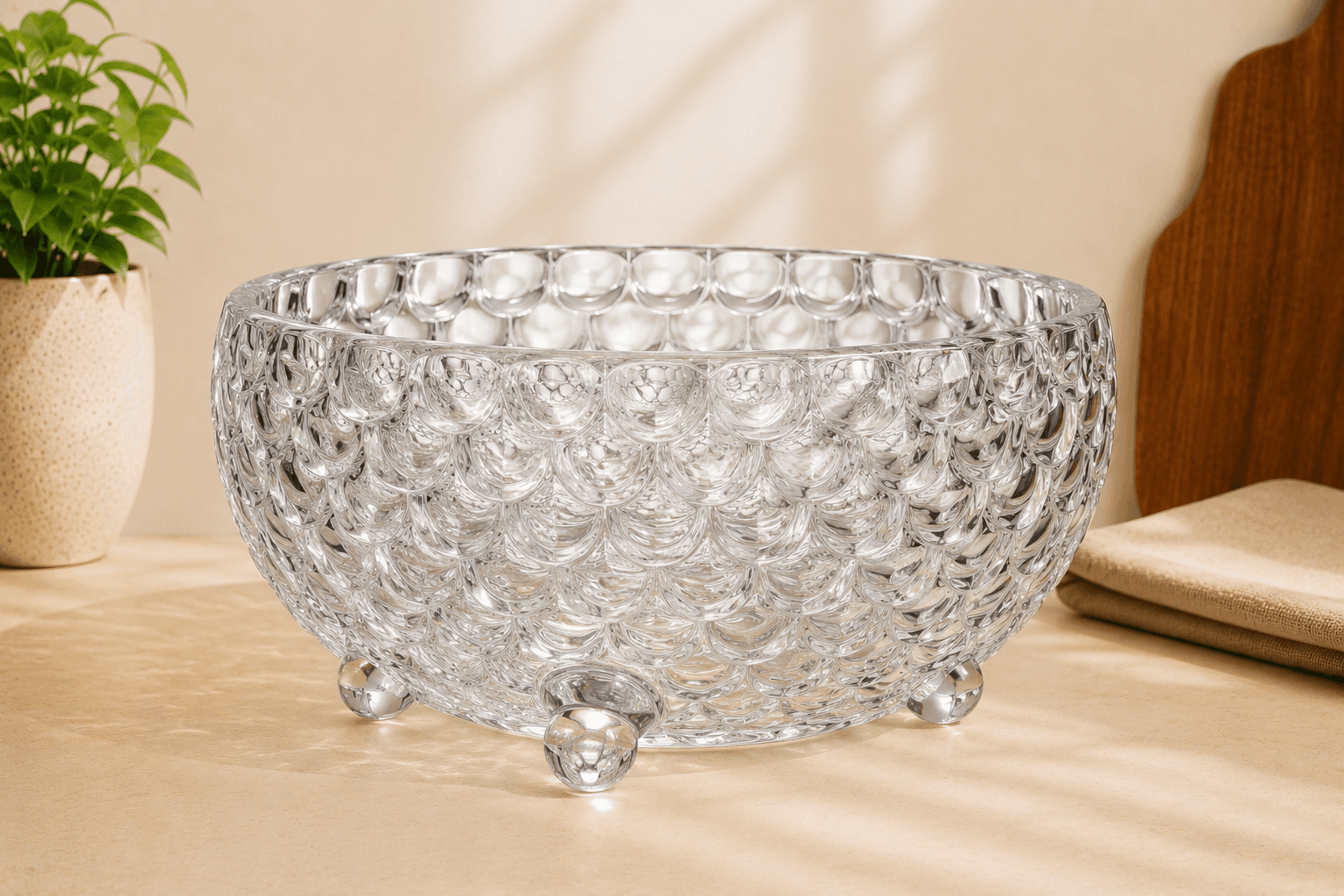
A single new item, like the Crystal Bowl on Ball Feet, can make an entire room feel updated without replacing anything else around it. One well-chosen new piece often reads as a bigger change than several smaller, scattered purchases would.
Edit before you add
Half the "refresh" feeling comes from removing what's gone stale, not adding what's new. Declutter first, then decide what (if anything) actually needs replacing; you may find the room feels considerably better with three fewer items and nothing new at all.
Rotate pieces between rooms
A piece that's felt tired in your living room for years might feel completely fresh in the kitchen instead, simply because of the new context and lighting. A Crystal Glass Vase that's lost its spark on the console table might be exactly what a dining table centerpiece needed.
Refresh through cleaning, not only styling
Glass and crystal pieces especially lose visual impact when dusty or cloudy, which can quietly make a whole room feel dated without you realizing why. A thorough clean of existing decor sometimes achieves as much visual refresh as buying something new.
Update the smaller, cheaper items first
Swapping Steel Salt & Pepper Shakers or a well-worn mug for something new costs little but touches an object you interact with daily, giving a disproportionate sense of freshness relative to the price.
Set a real budget before you start
Without a limit, a "refresh" turns into a full redecoration with a much bigger bill than intended. Decide on a small, specific budget upfront (enough for one or two anchor pieces) and let rearranging and editing handle the rest of the work for free.
Repurpose pieces across rooms before buying anything new
An item that's felt tired in one context can feel new in another: a Bubble-Textured Glass Jar that's lost its spark on a shelf might work beautifully repurposed as a bathroom accessory instead, extending its useful life without spending anything further.
Time your refresh around a natural trigger
Rather than refreshing on no particular schedule, tie it to something concrete: a change of season, moving furniture around, a small life event. This gives the refresh a clear starting and stopping point, rather than becoming an open-ended project that drags on and grows the budget as it goes.
Photograph the space before and after
It's easy to underestimate how much a refresh changed a room once you've lived with the new arrangement for a week. A quick before-and-after photo comparison often reveals the shift was more significant than it felt during the process, which is motivating for tackling the next room.
Ask what specifically feels stale before acting
Vague dissatisfaction with a space ("it just feels tired") is harder to fix than a specific complaint ("the counter's always cluttered" or "nothing on this shelf feels intentional"). Spend a few minutes identifying the actual issue before reaching for a Crystal Bowl on Ball Feet or any other purchase as a solution.
Give yourself permission to refresh partially
A refresh doesn't need to touch every room to count. Tackling just the kitchen or just one shelf, done well, delivers real satisfaction without the scope creep that trying to refresh the entire home at once tends to invite.
Ready to gift?