Home Decor & Styling
The Psychology of Home Decor: Why Small Changes Matter
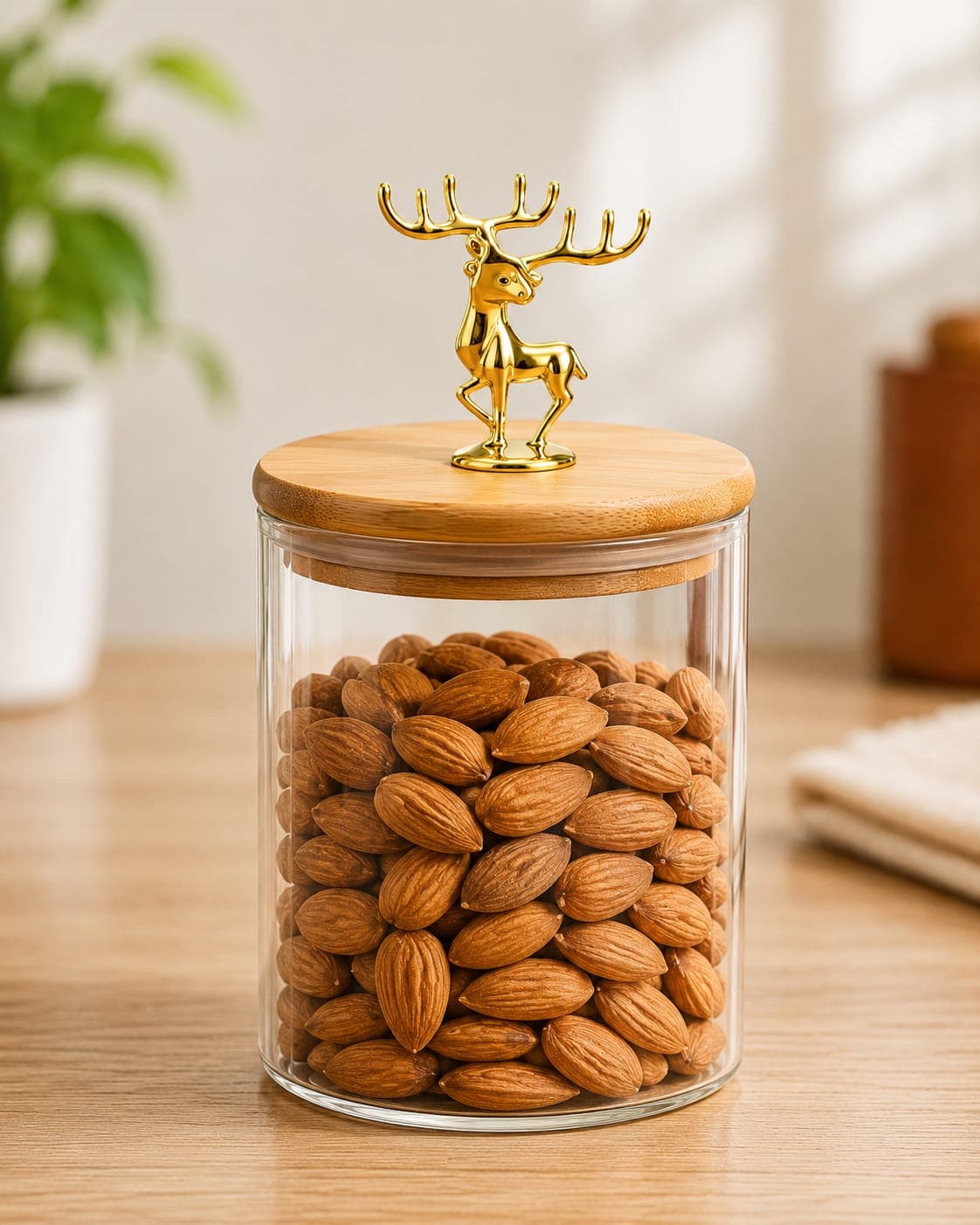
There's real psychology behind why small decor changes feel disproportionately good. It's not only aesthetics, it's about environment, attention, and a sense of control that most of us underestimate until we actually pay attention to it.
Visual clutter is a low-grade stressor
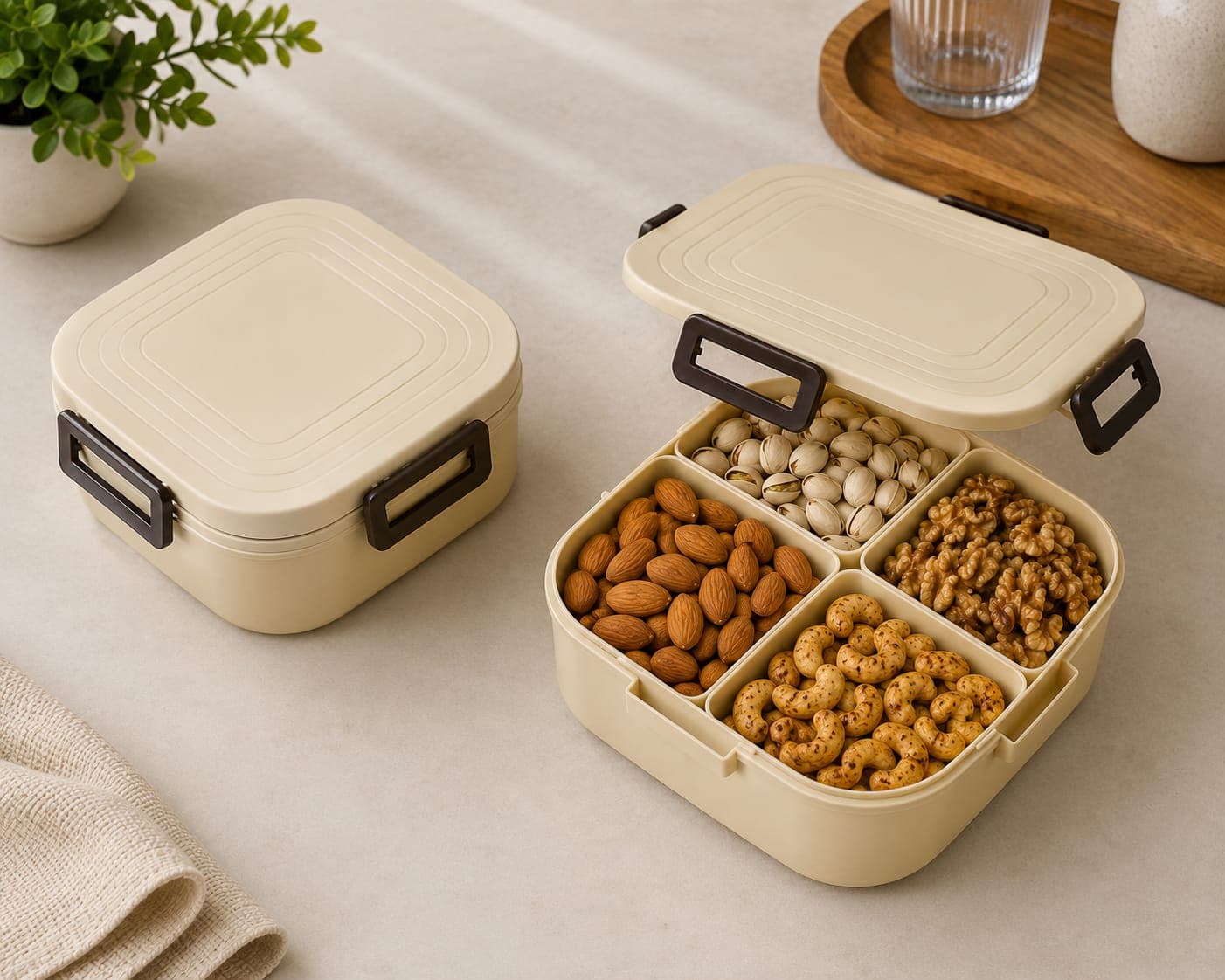
Environmental psychologists have a name for it: cognitive load from unprocessed visual information. A counter full of mismatched containers and loose packets registers as tiny, repeated friction every time you walk past it. Your brain never fully stops cataloguing it, even when you're not consciously thinking about the mess. Consolidating into something like the Elegant Storage Combo Set or an Airtight Storage Container Set removes dozens of these micro-stressors in one move, and the relief is often more noticeable than people expect, precisely because it wasn't something they realized was costing them attention in the first place.
Novelty resets attention that habituation has switched off
You stop "seeing" a space you look at every single day. This is habituation, and it's why a room can look tired to a guest but invisible to you, its actual resident. A single new piece, even something as compact as a Deer Mug on the counter, makes your brain re-notice the whole room, not only that object. It's a cheap trick in the literal sense, but it works because attention is the actual currency here, not square footage or budget: a small, deliberate swap resets the whole visual field around it.
Control over small things compounds
Home decor is one of the few domains left where you have complete, unshared control: what goes where, what stays, what gets replaced, and on what timeline. Exercising that control, even in small ways, has a documented effect on overall sense of agency, which matters more on stressful weeks than calm ones. This is part of why rearranging a shelf can feel disproportionately satisfying during a hard month at work. It's one of the few decisions in your day nobody else gets a vote on.
Texture and material send signals before you consciously register them
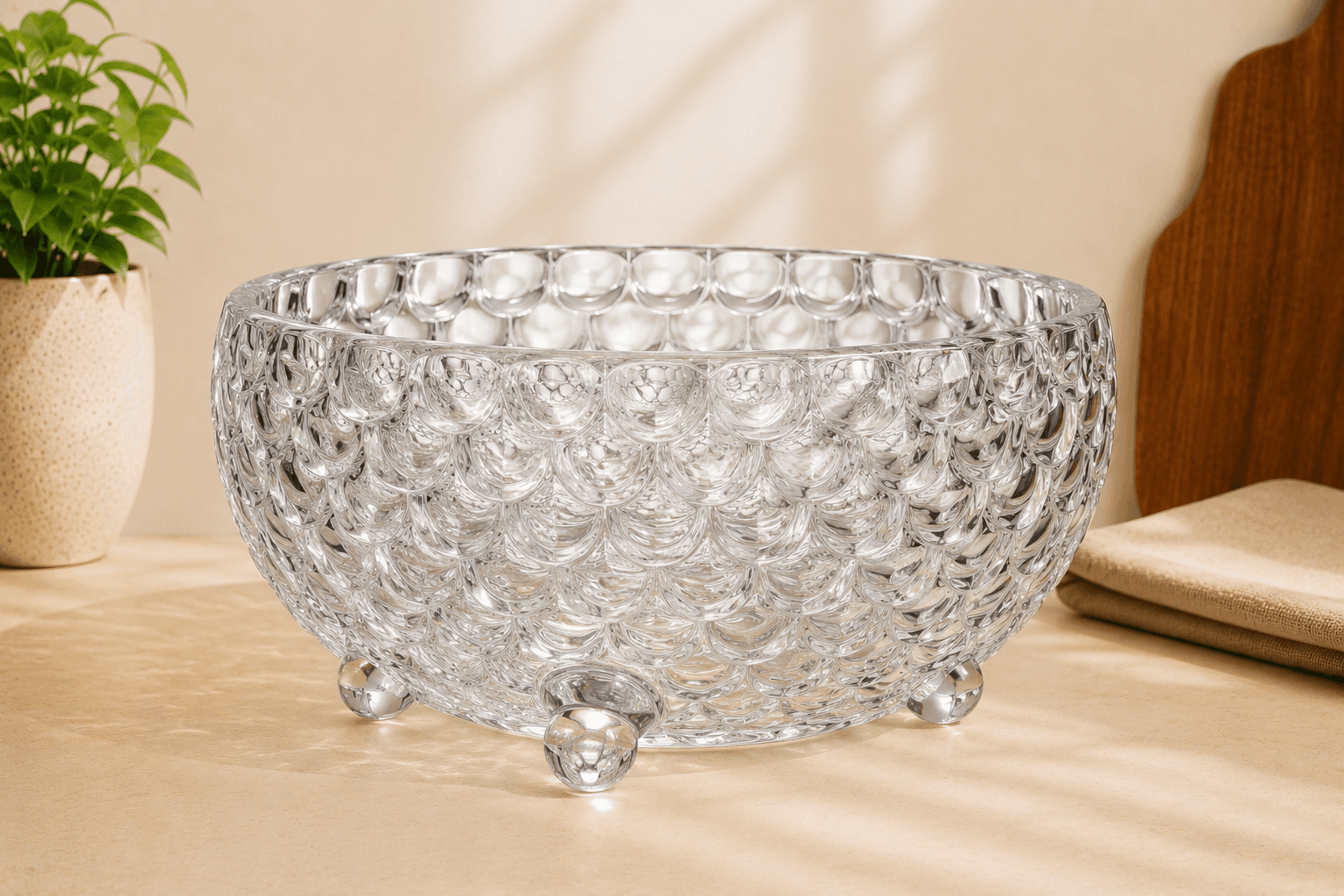
A glass surface reads differently than plastic before you've thought about it at all: smoother, more considered, more "finished," in a way that registers almost instantly. This is why a Crystal Glass Vase or Premium Glass Serving Bowl changes the feel of a shelf more than its size would suggest on paper. Material is doing psychological work that shape and color alone can't quite replicate, which is why two objects of similar size and price can feel worlds apart once you place them in a room.
The "good object" effect compounds with daily use
Using a well-made item every day (a properly weighted serving bowl instead of a flimsy one, a mug with real heft instead of a giveaway freebie) creates small moments of satisfaction that add up across months of repetition. It's not about luxury; it's about the object matching the ritual it's part of. A Ribbed Glass Mug with Lid used every single morning does more cumulative psychological work than an expensive piece used once a year and admired from across the room.
Run a five-minute audit before you shop
Walk through your main rooms and flag anything that makes you wince slightly, however minor: a stained tray, a mismatched set, a container you don't like touching. That wince is data, and it's usually a better shopping list than any styling inspiration board, because it's built from your own actual daily friction, not someone else's hand-picked aesthetic pulled from a feed you don't live in.
Start smaller than you think
You don't need to redecorate a room to get this effect. One considered swap in a high-traffic spot (the counter you pass ten times a day, not the guest room you enter twice a year) does more than a Pinterest board's worth of unrealized plans. Pick the spot you notice, start there, and let the rest of the room catch up on its own timeline instead of forcing a full overhaul at once.
Ready to gift?