Home Decor & Styling
The Minimalist's Guide to Kitchen Decor
Minimalism gets misapplied constantly as just "fewer cheap things" or, worse, a specific aesthetic of bare white counters photographed for social media. Real minimalist kitchen decor is about fewer, better things (quality over absence) and it takes more discipline than simply owning less stuff.
One hero piece, not zero
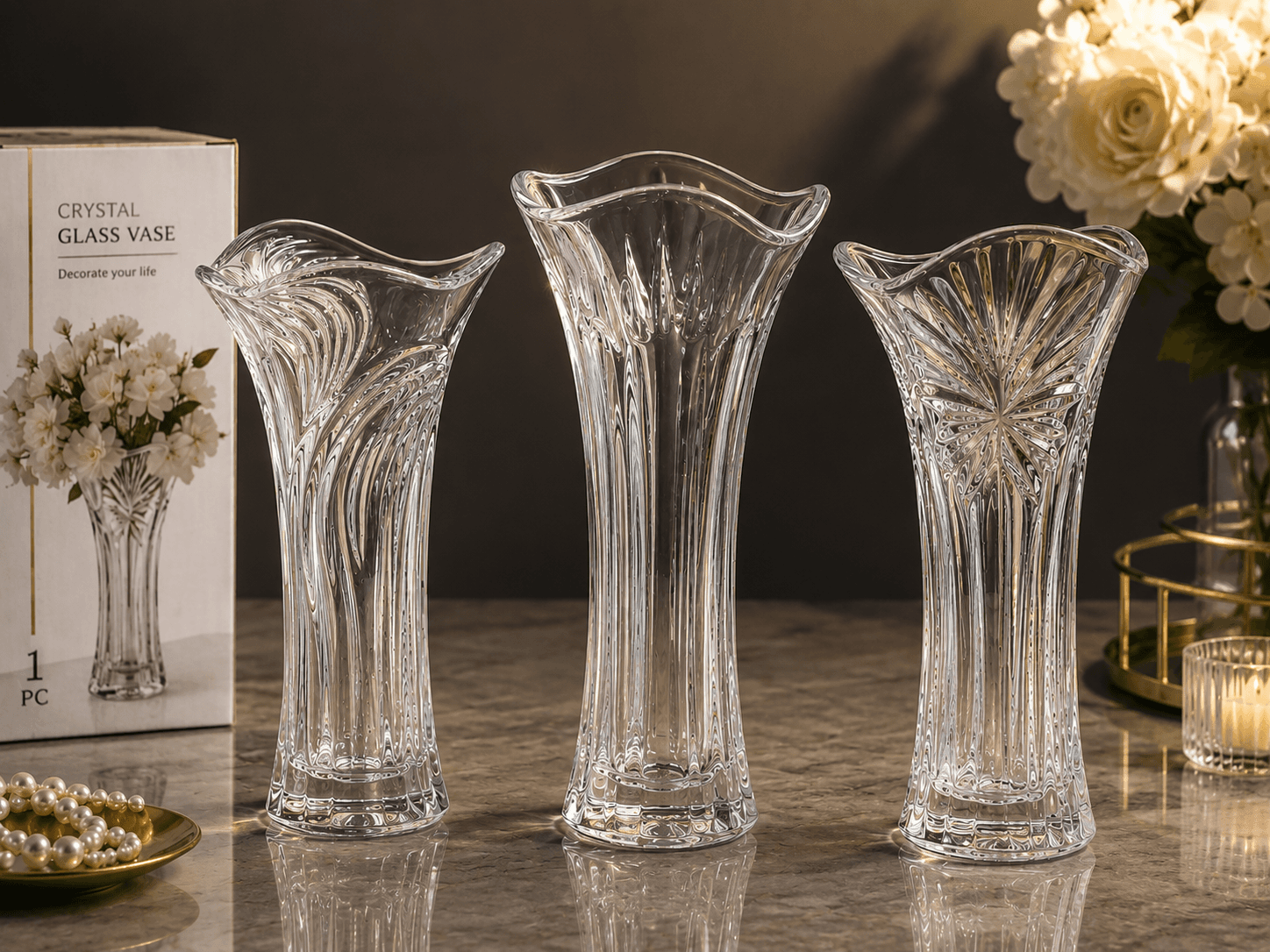
A single Crystal Glass Vase or Deer Mug is still minimalist. The goal is intentionality, not a completely bare counter that ends up feeling clinical rather than calm. A kitchen with nothing on display isn't more minimalist than one with a single, well-chosen object. It's just emptier.
Storage hidden, not only reduced
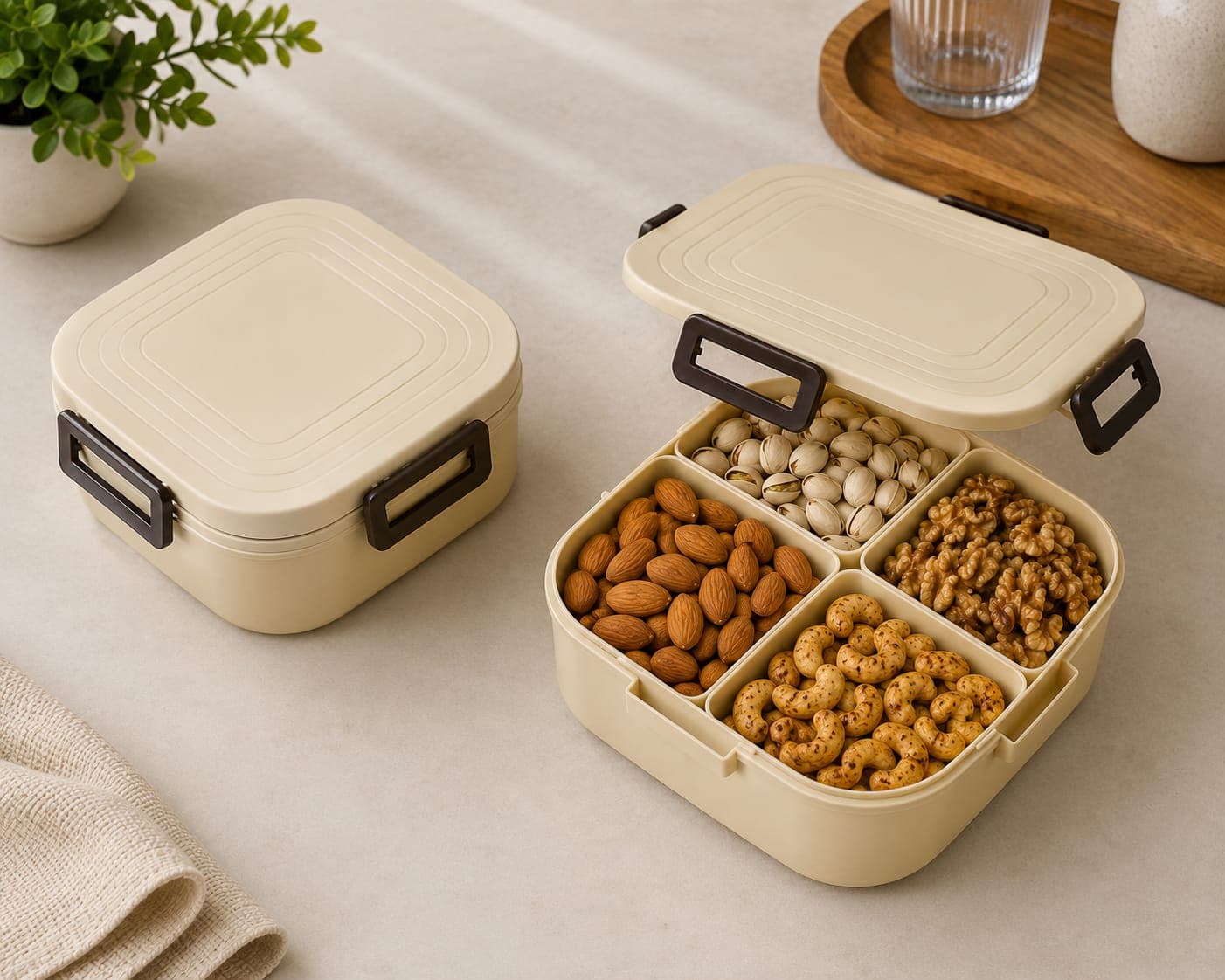
An Airtight Storage Container Set that fits neatly inside a cabinet supports minimalism far better than visible clutter does, even reasonably "nice" visible clutter. True minimalist function is about what's not competing for visual attention, not simply about total item count in the kitchen overall.
Choose materials that age well
Cheap minimalist decor often looks worse over time: plastic yellows, thin ceramic chips easily. A minimalist kitchen invests in materials like glass and quality ceramic, such as a Ceramic Bowl, Gold Rim, that still look considered after years of daily use rather than needing replacement.
Consolidate duplicate functions
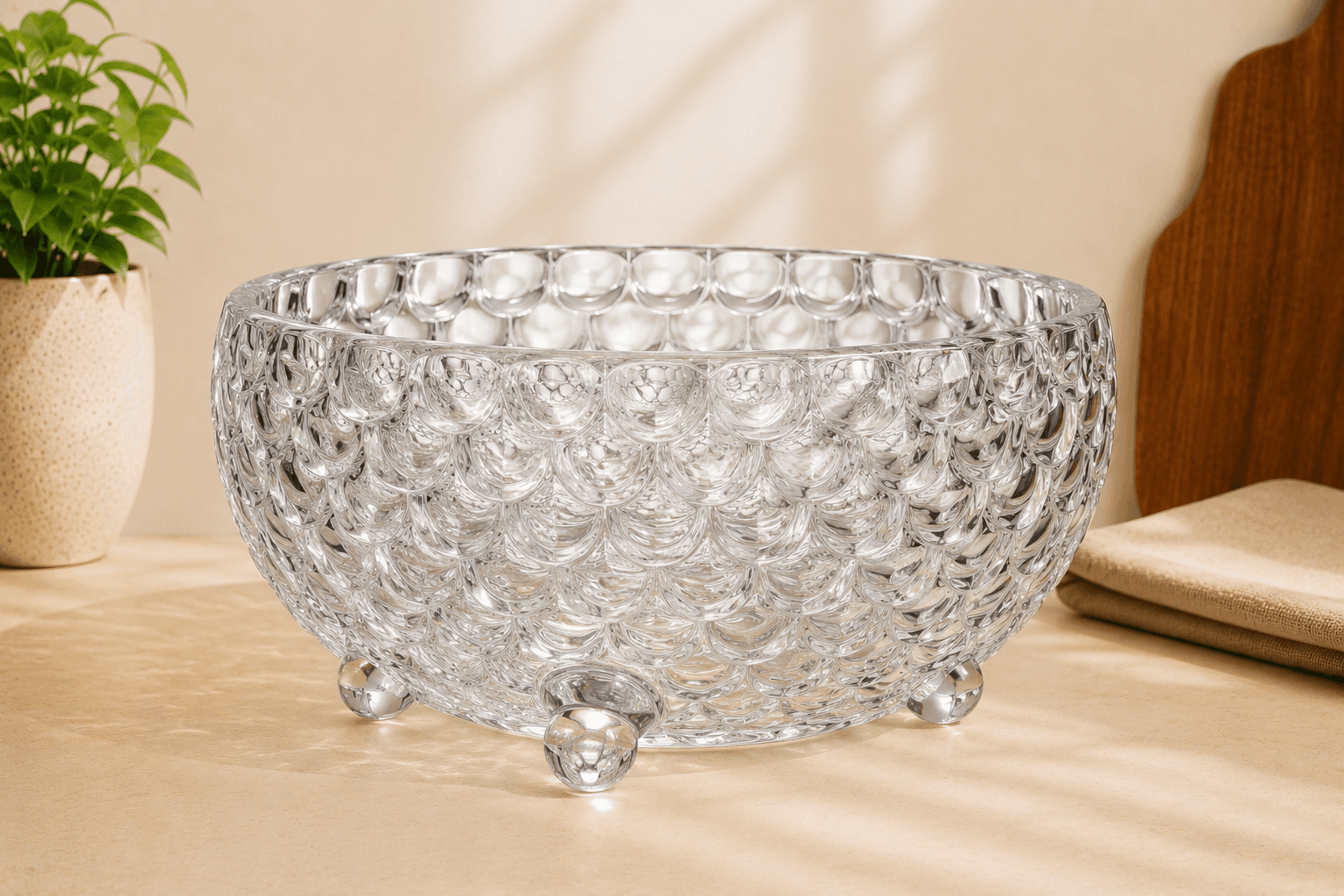
Minimalism means owning one excellent version of an item rather than three mediocre ones. A single well-made Premium Glass Serving Bowl that handles salads, snacks, and fruit replaces three specialized bowls that each do one job less well and take up three times the cabinet space.
Give every visible object a job or a reason
In a minimalist kitchen, nothing sits out purely by accident or inertia. If an item is on display, it should either be used daily or chosen deliberately for how it looks: anything that fails both tests should move to storage or leave the kitchen entirely.
Minimalism is a discipline, not a one-time purchase
The hardest part isn't buying less. It's not re-accumulating. Kitchens especially tend to slowly refill with gadgets, extra containers, and gifted items that quietly erode a minimalist setup over months. Revisit your kitchen counter every few months and remove what's crept back on.
Let the empty space do some of the work
A minimalist kitchen relies on negative space as much as on the objects it keeps. Resist the urge to fill every gap just because it's available: an Airtight Storage Container Set with room to breathe on the shelf around it looks more considered than one packed edge-to-edge with additional items.
Apply the same standard to gifts you receive
Minimalist kitchens are often undone not by what you buy, but by what you're given: a gadget or decor piece from a well-meaning relative that doesn't fit your actual approach. It's fine to graciously accept and not display everything; a minimalist kitchen sometimes means storing gifted items rather than forcing them into your countertop rotation.
Judge success by daily ease, not by how the kitchen photographs
A minimalist kitchen isn't really "working" if it just looks sparse in photos but frustrates you every time you actually cook in it. The real test is whether you can find what you need quickly and whether the space feels calm during a busy weekday, not only whether it looks good empty.
Choose one material family and stay disciplined about it
Minimalist kitchens often benefit from committing to two or three materials maximum (glass, steel, and one warm ceramic tone, say) rather than mixing five different finishes. A Ceramic Bowl, Gold Rim alongside glass pieces works because the palette stays restrained, not because every individual object is minimal on its own.
Resist minimalism as a purely visual performance
True minimalist function means fewer decisions to make daily, not only fewer objects visible to guests. If your "minimal" counter still requires you to dig through a packed cabinet for basics, the visible restraint isn't translating into an simpler daily experience of the kitchen.
Let a single well-used piece replace several rarely-used ones
Before buying a specialized gadget or container, ask whether an existing multi-purpose piece (an Airtight Storage Container Set that handles several different ingredients) could cover the same need. Genuine minimalism often means resisting a purchase entirely, not only choosing a more streamlined version of it.
Ready to gift?