Home Decor & Styling
The Case for Seasonal Decor Rotation
Most homes are decorated once, roughly when someone moves in, and then left alone for years. Seasonal rotation (even a minimal version of it) keeps a space feeling alive without the cost or effort of a full redesign every time the calendar turns. The trick is doing it in a way that's sustainable rather than aspirational.
Pick two or three "swap" pieces, not twenty
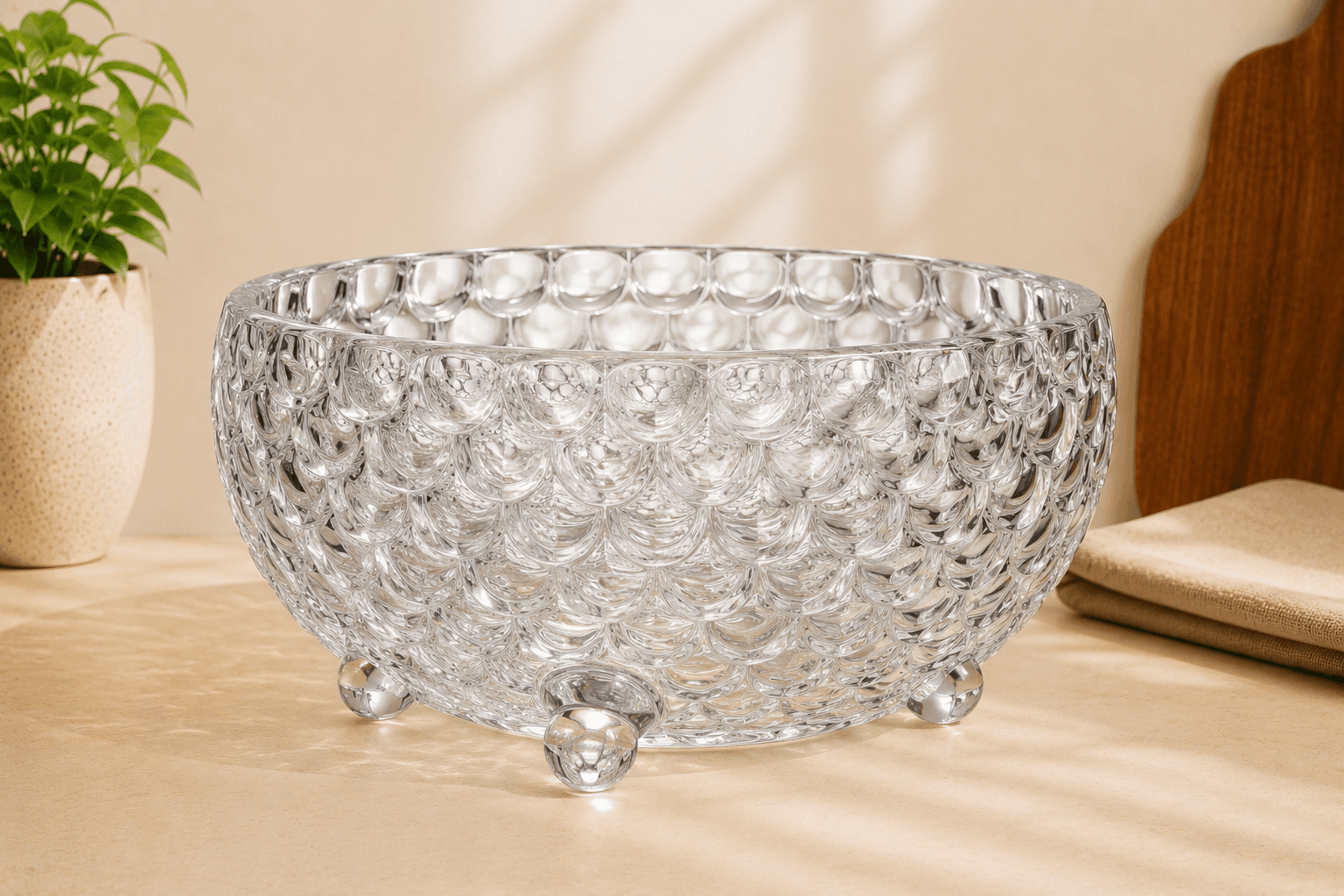
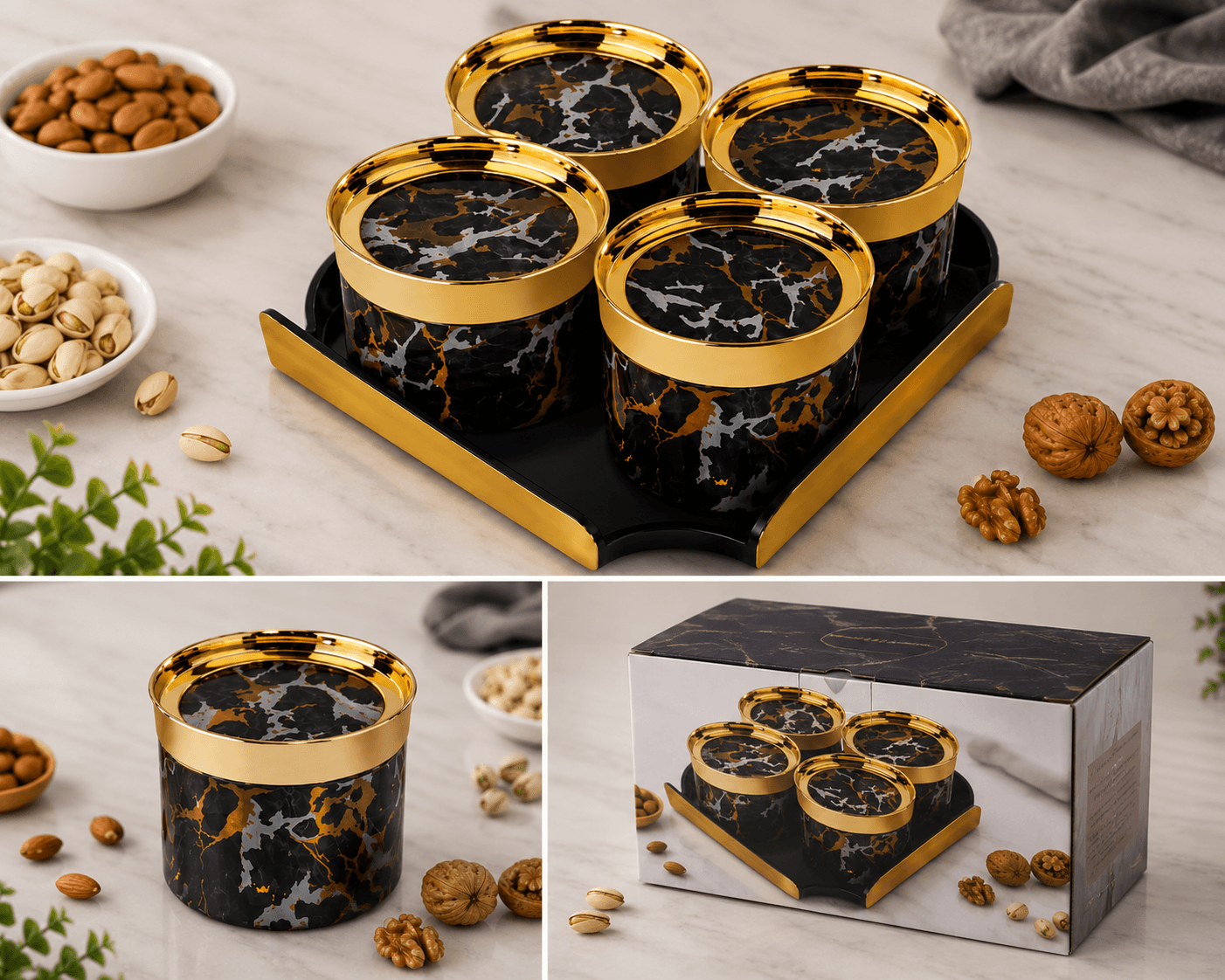
The Marble-Finish Canister Set with Tray works beautifully for festive season, while something simpler like the Crystal Glass Vase can anchor the same spot the rest of the year. Small, deliberate swaps create a big perceived change without requiring you to manage an entire rotating wardrobe of decor.
Store what you're not using, don't discard it
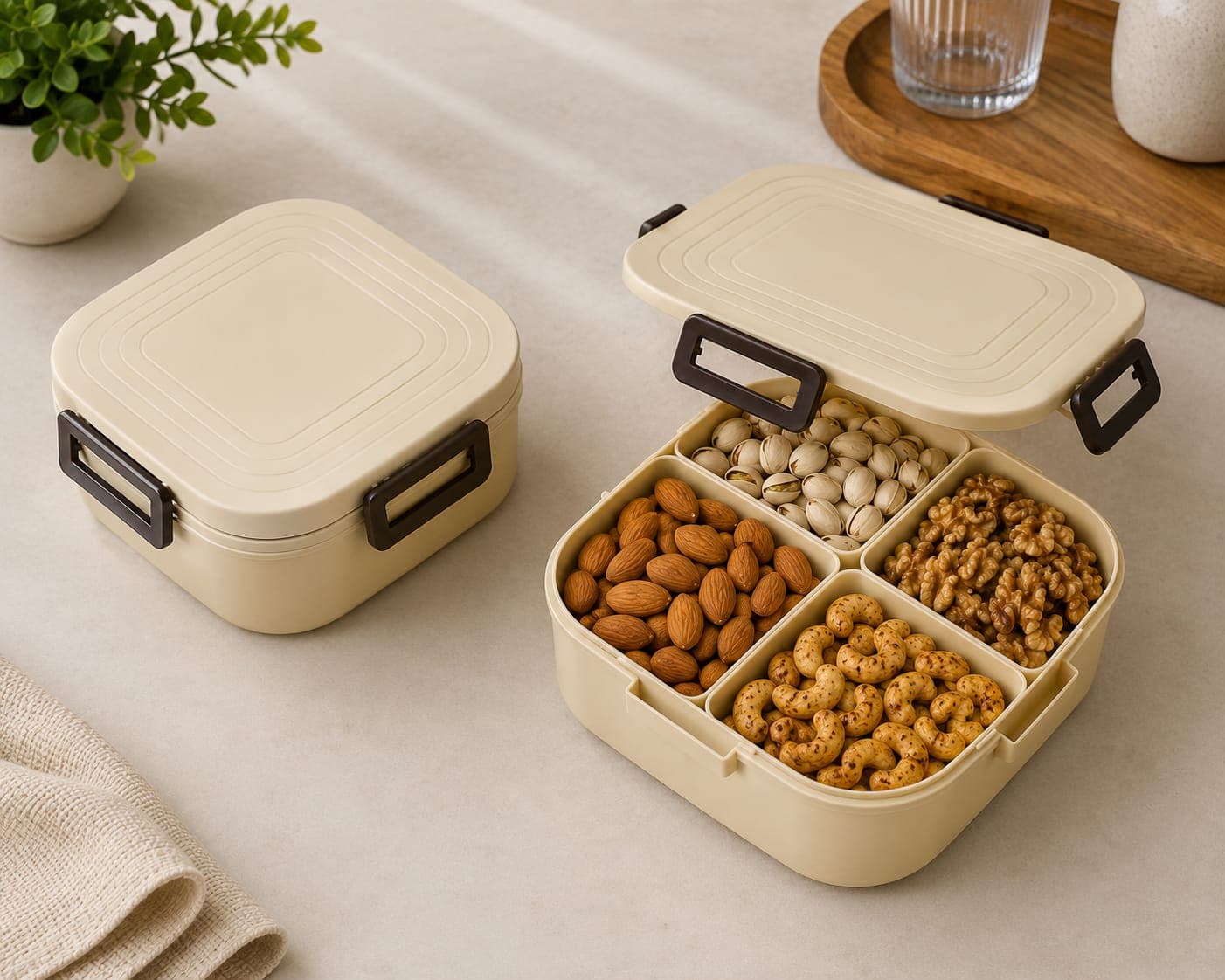
Rotation only works long-term if the off-season pieces are stored properly rather than lost in a cupboard or damaged in a drawer. An Airtight Storage Container Set works for more than food. It protects smaller decor pieces from dust and chipping between seasons just as well.
Start with one zone before attempting the whole home
Don't try whole-home rotation on your first attempt. Pick one surface (a console table, a kitchen counter, a single shelf) and rotate just that. Once swapping decor there becomes a genuine habit rather than a chore, expanding to a second zone feels natural instead of overwhelming.
Let festivals set your calendar, not the other way around
Rather than inventing an arbitrary rotation schedule, tie your swaps to actual occasions already on your calendar: Diwali, a change of season, a family gathering. This gives each rotation a real trigger and purpose instead of becoming a task you keep postponing.
Keep a "base layer" that never changes
Not everything should rotate. A few anchor pieces (perhaps a Deer Mug or a set from the Crystal Décor Combo) can stay in place year-round while smaller accent pieces rotate around them. This keeps the room feeling like your home throughout, not like a different showroom every few months.
Photograph your favorite arrangements
Before you dismantle a seasonal setup, take a quick photo. It sounds unnecessary until you're trying to recreate last year's Diwali console arrangement from memory and can't quite remember which pieces went where.
Accept that rotation is maintenance, not decoration
Treat seasonal swapping the way you'd treat any other small home routine: closer to changing bedsheets than to redecorating. The pieces don't need to be dramatic; the consistency of doing it at all is what actually keeps a home feeling cared for.
Build a shortlist before the season arrives
Deciding what to swap in the middle of festival prep, with a dozen other things to organize, rarely goes well. Keep a running note of what you'd like to rotate in next (perhaps a Ceramic Bowl, Gold Rim you spotted months ago) so the decision is already made by the time the season is upon you.
Involve pieces that mark personal milestones, not only calendar seasons
Rotation doesn't have to follow only festivals. A Crystal Décor Combo piece brought out for an anniversary or a birthday adds a personal rhythm to the rotation alongside the more predictable festival calendar, making the whole system feel less mechanical.
Track what got used, not only what you own
After a season or two of rotating, you'll likely notice some pieces come out every single time while others sit in storage forgotten. Trust that pattern. It's telling you honestly which purchases were worth it and which ones you can stop rotating in at all going forward.
Coordinate rotation timing with a cleaning pass
Since you're already handling the pieces during a swap, use the moment to properly clean whatever's coming out of storage and whatever's going back in. This combines two chores into one and means nothing gets displayed dusty simply because cleaning felt like a separate task for another day.
Let rotation frequency match your actual energy, not an ideal
A monthly rotation sounds appealing in theory but often collapses under real life. A seasonal rhythm (three or four swaps a year) is realistic for most households and still delivers most of the "fresh home" feeling without demanding a habit few people can sustain.
Ready to gift?