Home Decor & Styling
The Art of the Tablescape: A Beginner's Guide
"Tablescaping" sounds like a skill reserved for people with a design degree. It isn't. Here's a beginner-friendly way to think about it, without the intimidating vocabulary or the assumption you already own a dozen coordinated pieces sitting in a cabinet somewhere.
Start with one hero piece
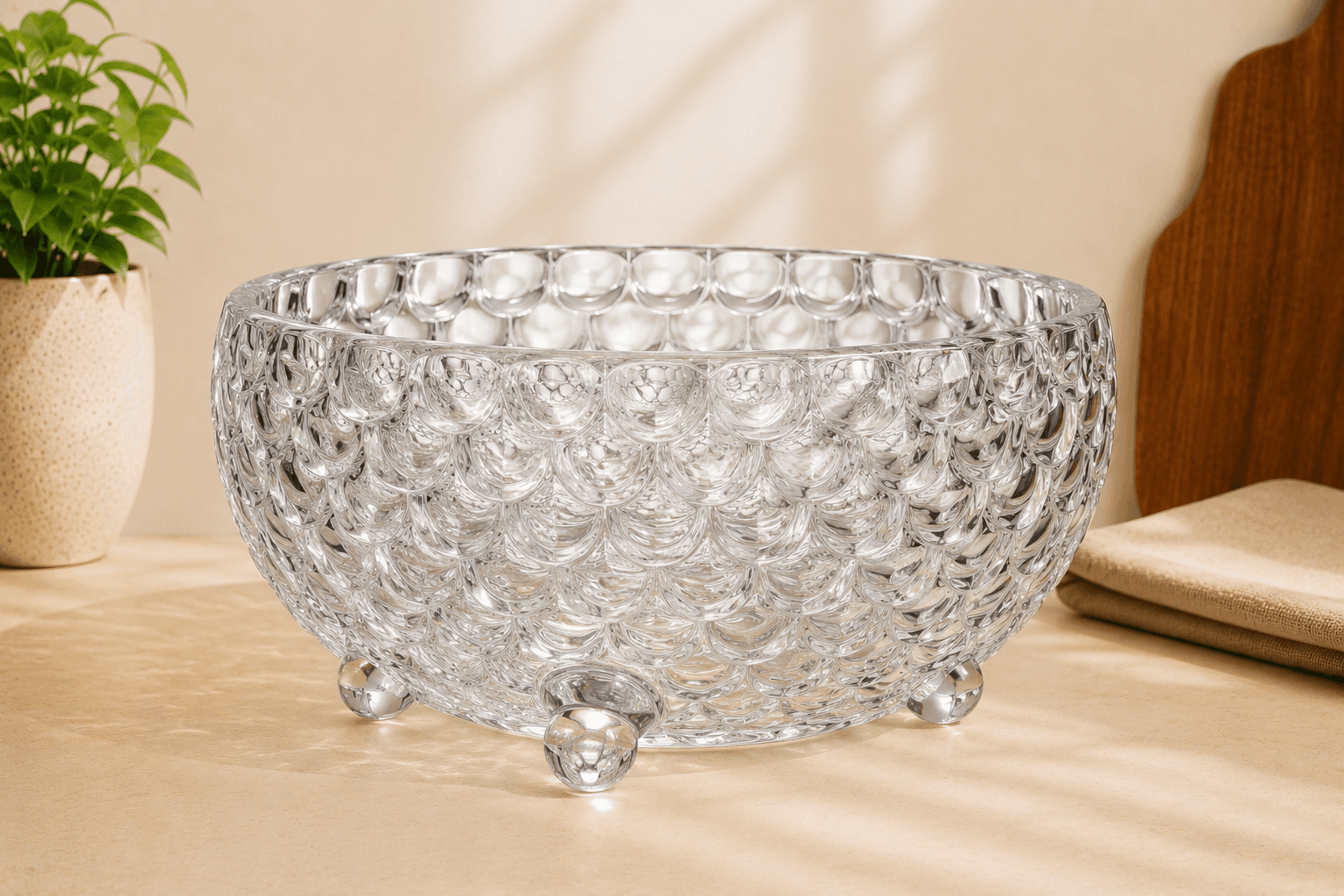
Pick a single standout item (the Crystal Bowl on Ball Feet works well) and build everything else around it, rather than trying to balance five statement pieces at once and hoping they somehow cohere on their own without a plan.
Height variation is the real secret
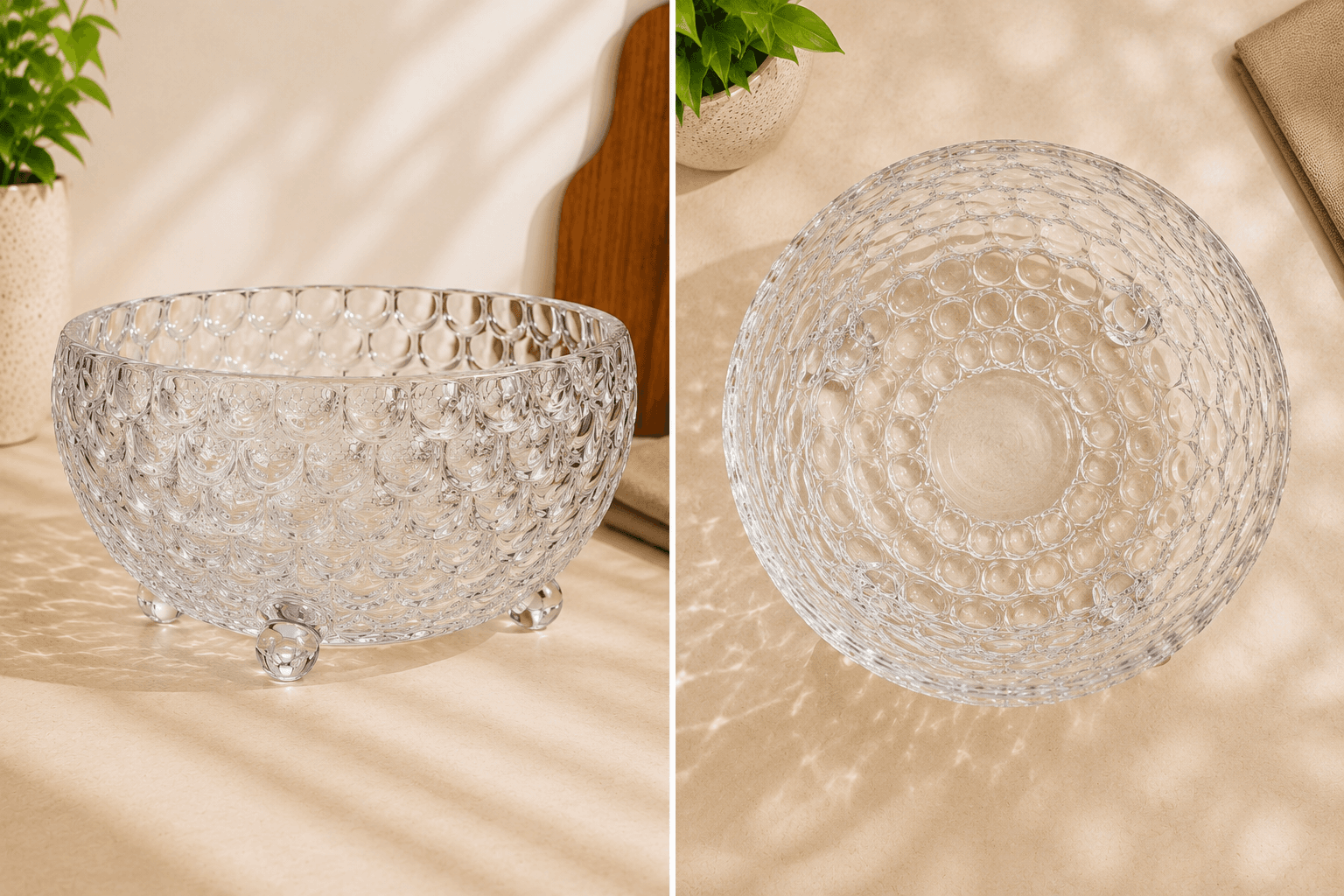
A completely flat table reads as unfinished, even with good individual pieces on it. Add height with a Crystal Glass Vase or a footed piece like the Premium Glass Serving Bowl: the eye needs somewhere to travel up, not only across a flat surface of plates and cutlery.
Repeat one material, don't scatter five
Pick glass, or ceramic, or steel as your dominant material for the setting. Mixing everything at once (a bit of each, without a plan) looks chaotic rather than hand-picked, even when every individual piece is nice on its own terms and would look fine elsewhere.
Leave the center open
Beginners tend to overfill the middle of the table trying to make it feel "full" and finished. Leave space. It's what makes the pieces you did choose actually register, instead of competing with each other for attention across a crowded surface that tires the eye.
Let the glassware do quiet work
A Premium Champagne Flute Set at each place setting upgrades a table more than an extra centerpiece would: glassware catches light in a way flat tableware can't, and it's one of the cheapest upgrades per visual impact you can realistically make.
Set a simple budget rule
Spend on one or two pieces that'll get reused constantly (a serving bowl, a set of glasses) rather than several occasion-specific items that only come out once a year and spend the other 364 days packed away in a cabinet. Reusable pieces earn their cost back far faster than novelty ones ever will.
Think about scale relative to your table
A piece that looks proportionate in a store photo can dominate or disappear entirely on your actual table: measure roughly before buying anything meant to be a centerpiece, especially for a smaller dining table where every inch matters more.
Consider the view from every seat, not only one angle
A centerpiece styled to look good from the head of the table can block sightlines for guests seated across from each other: keep anything tall low enough, or narrow enough, that conversation isn't obstructed all evening.
Use servingware as part of the design, not an afterthought
A Premium Glass Serving Bowl placed deliberately, rather than wherever there's leftover space, does double duty as both function and centerpiece without adding a single extra item to the table.
Don't be afraid of asymmetry
A slightly off-center arrangement, with the Crystal Bowl on Ball Feet positioned toward one end rather than dead center, often looks more natural and less staged than a perfectly mirrored setup ever does.
Build a "tablescape starter kit" you reuse
Rather than buying fresh pieces for every occasion, keep two or three flexible items (a footed bowl, a vase, a set of glasses) that work across dinners, festivals, and casual weeknight meals alike without needing to shop again each time.
Learn from what didn't work, not only what did
After your first attempt, note what felt cluttered or empty: tablescaping is a skill built through repetition, and every setting teaches you something for the next one you put together.
Photograph your setup before guests arrive
A quick photo from a seated eye-level angle, not standing above it, shows you exactly what your guests will see. It's the fastest way to catch an awkward gap or overcrowded corner before anyone sits down.
Borrow, don't buy, for a one-off event
If you're hosting a single big occasion rather than building a permanent setup, consider borrowing a statement piece from a friend or family member: tablescaping doesn't require owning every element outright, especially for something you'll only style once a year.
Let the season inform your material choices
Warmer months suit lighter glass and brighter tones; cooler months lean well toward richer, deeper pieces: letting the season nudge your choices keeps a tablescape feeling current rather than static year-round.
Practice on a weeknight
Don't debut your first tablescape at a big dinner party: try it on an ordinary Tuesday first, so the actual event isn't also your first attempt at putting these pieces together under time pressure and guest expectations.
Ready to gift?