Home Decor & Styling
Monsoon-Proofing Your Kitchen Storage
Monsoon humidity is quietly one of the biggest threats to a well-stocked kitchen: soggy spices, clumped sugar, and lentils that just don't taste the same by August. None of the damage happens dramatically; it happens slowly enough that most people don't notice until the food's already compromised and it's too late to reverse the damage.
Airtight isn't optional during monsoon
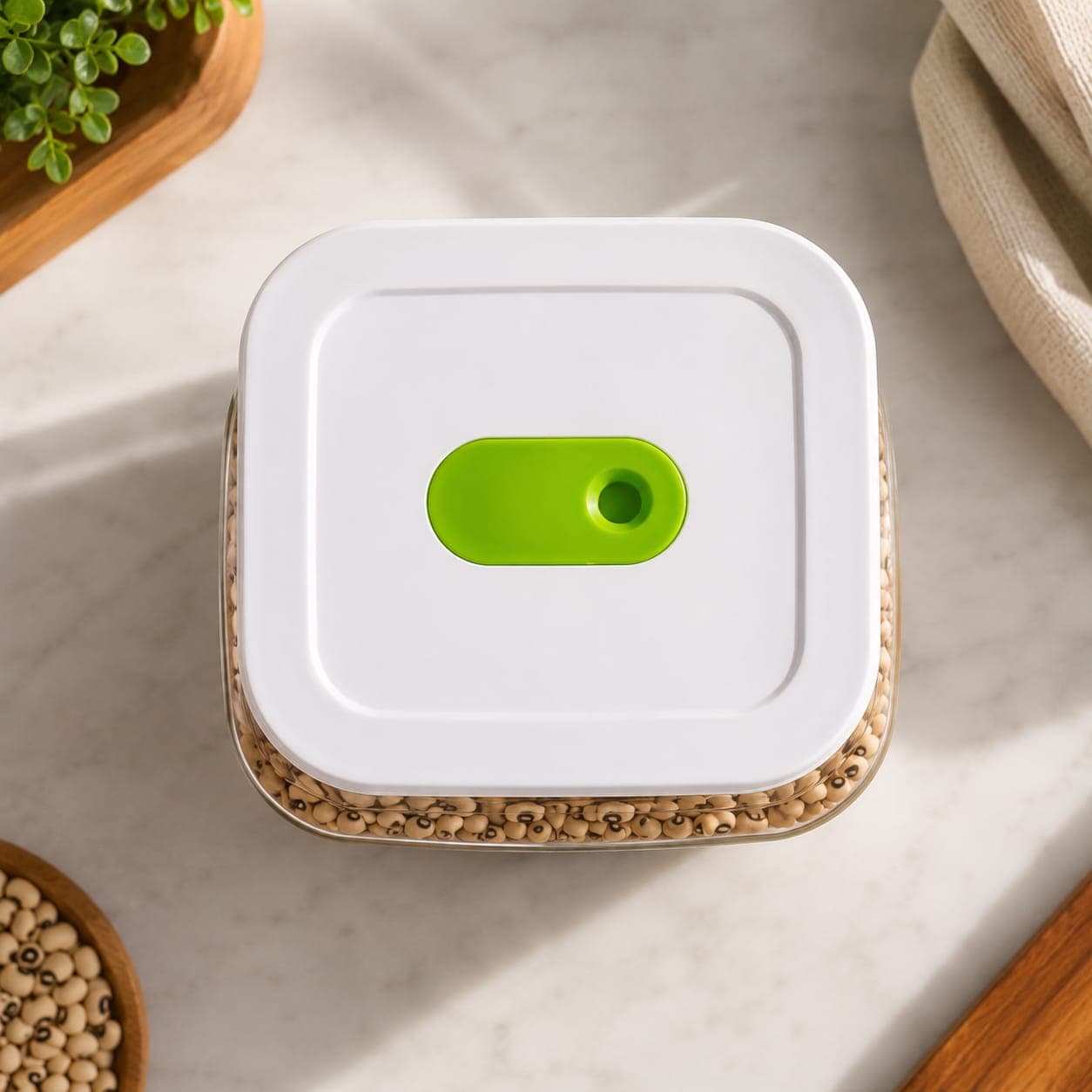
This is the one season where the Airtight Storage Container Set earns its keep: a loose plastic packet has no real defense against monsoon-level moisture, however tightly it's folded shut or clipped closed with whatever's on hand at the time.
Glass over plastic where possible
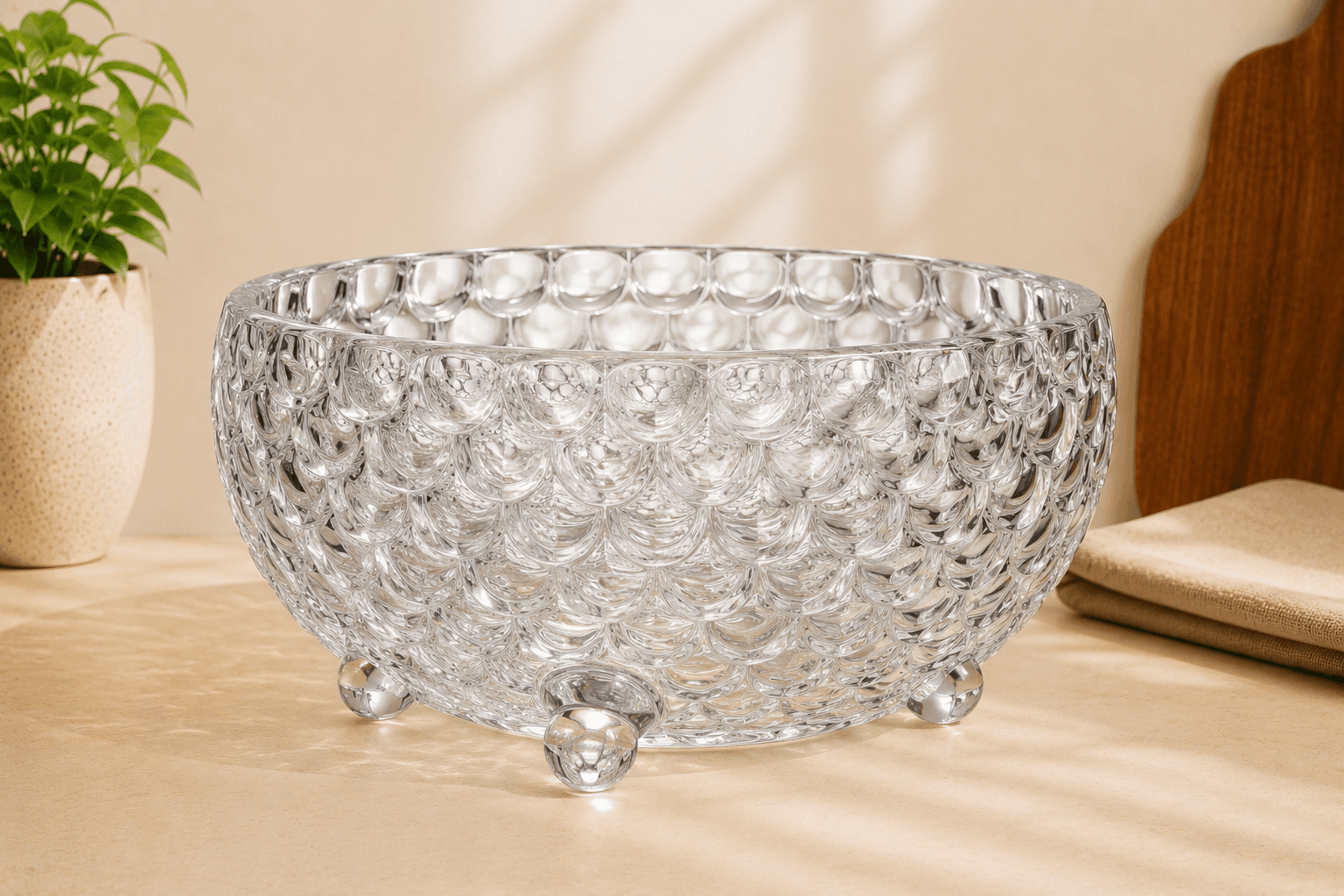
Glass doesn't absorb odors or moisture the way some plastics can over time, and it makes it easier to actually see condensation forming if it does happen, before the contents are ruined rather than after the fact. The Deer Mug is a good option for anything you're storing long-term through the wetter months, since you can check it at a glance without opening the lid every time.
Check your seals, not only your containers
An airtight container with a worn or warped seal isn't airtight anymore, no matter how good it looked when new. It's worth testing the lids you already own (run a finger around the rim, check for gaps, press down and listen for the seal) before assuming they're still doing their job properly this season.
Keep frequently-used items closer to the front
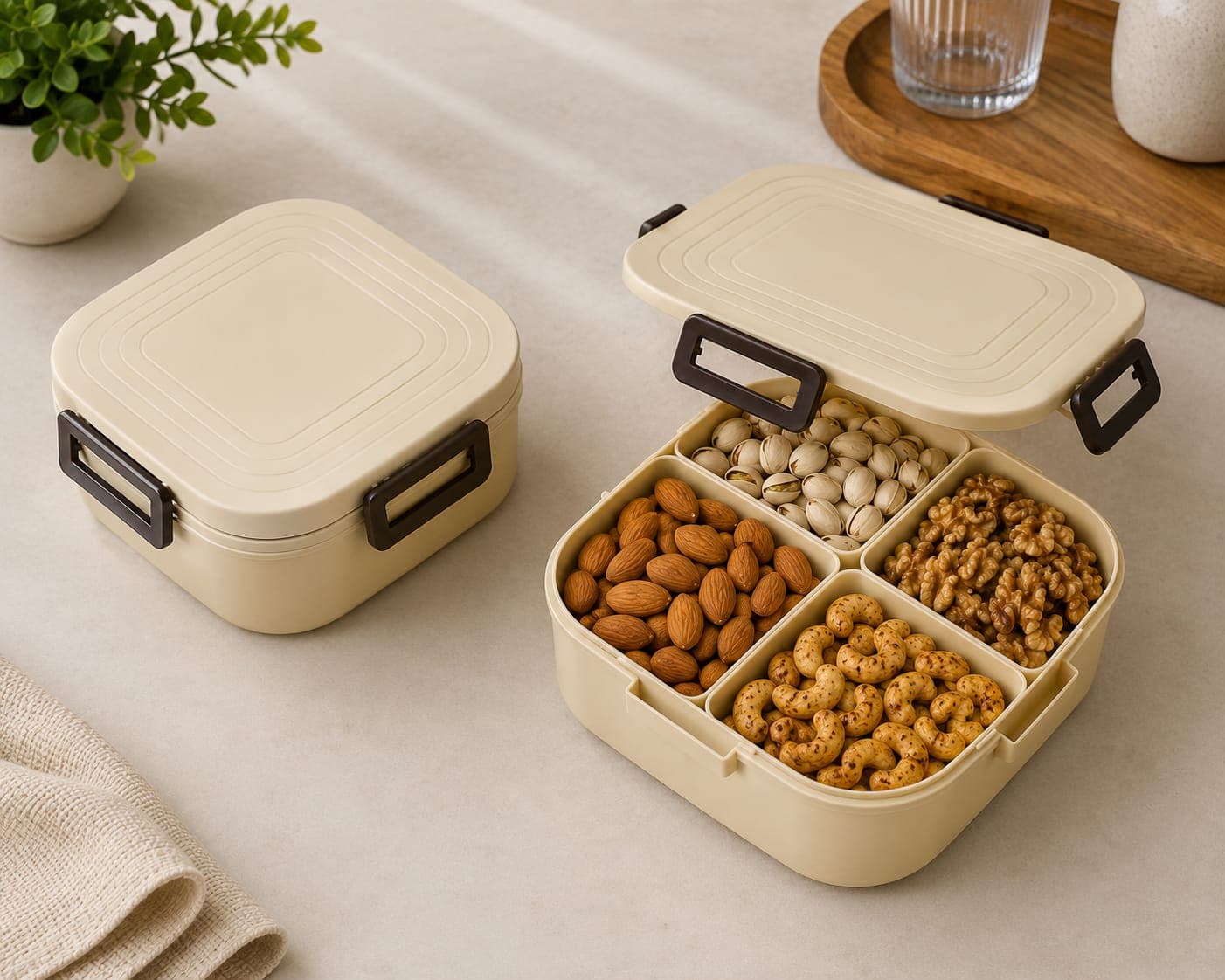
During monsoon, you want minimum time with any container left open. Organize so daily-use items in the 4-Compartment Snack & Nut Box don't require digging past everything else, which keeps lids open for seconds instead of minutes every single time you reach for something.
Rotate stock instead of buying ahead
Monsoon is a bad season to over-buy pantry staples: older stock sitting at the back absorbs more ambient moisture over time, even inside a decent container. Use what you have before restocking, and buy smaller quantities more frequently through the wettest months rather than stockpiling early in the season.
Do a mid-monsoon spot check
Pick one week in the middle of the season to open every container and check, rather than waiting until something visibly clumps or smells off. A five-minute check saves an entire jar of spices that would otherwise get wasted without anyone noticing until it's used in a dish and tastes off.
Think beyond the pantry shelf
Monsoon humidity affects more than staples: check anything porous, like wooden spice boxes or unsealed jute containers, and consider moving moisture-sensitive items into glass or steel for the season, even temporarily until the weather clears up.
Watch for cross-contamination between containers
A damp scoop moved between jars can introduce moisture to an otherwise well-sealed container: keep scoops dry between uses, or dedicate one per jar, especially for anything you're trying hardest to protect this season.
Watch the sugar and jaggery first
These absorb ambient moisture faster than almost anything else in a pantry: moving them into the Airtight Storage Container Set early in the season, not once they've already clumped, saves both the ingredient and the frustration of scraping a solid block out of a jar.
Steel holds up better than you'd expect
For anything stored near a sink or window where splashing is a risk, Steel Salt & Pepper Shakers resist moisture damage in a way cardboard packaging or thin plastic never quite manages through a full monsoon season.
Don't forget dry snacks and nuts
A 4-Compartment Snack & Nut Box with a proper seal keeps festive-season stockpiles of dry fruit and namkeen from going soft or stale mid-monsoon, which is exactly when they'd otherwise need replacing.
Keep a small silica or rice packet on hand
Placed inside a jar that gets opened often, a small moisture-absorbing packet gives extra protection during the wettest weeks, on top of whatever the container's seal is already doing on its own.
Store cooking oil away from direct humidity too
Oils can turn cloudy or develop off-notes in high humidity just like dry goods can: keep bottles in a drier corner of the kitchen, away from the sink or any window that gets direct monsoon splash.
The payoff
None of this is dramatic, but it's the difference between spices that taste fresh in September versus spices that went stale in July without anyone noticing until the next time they were used in a meal that just didn't taste quite right.
Ready to gift?