Home Decor & Styling
How to Style Your Kitchen Counter Without It Looking Cluttered
Kitchen counters walk a fine line: too bare and the room feels sterile, too full and it reads as clutter regardless of how nice each individual piece is. Here's how to land reliably on the "styled" side of that line, and stay there past the first week.
Clutter is about relationships between objects, not object count
Two people can own the exact same number of counter items and have one counter read as styled and the other as a mess: the difference almost always comes down to how those items relate to each other spatially, not how many there are in total.
Group by function, not randomly
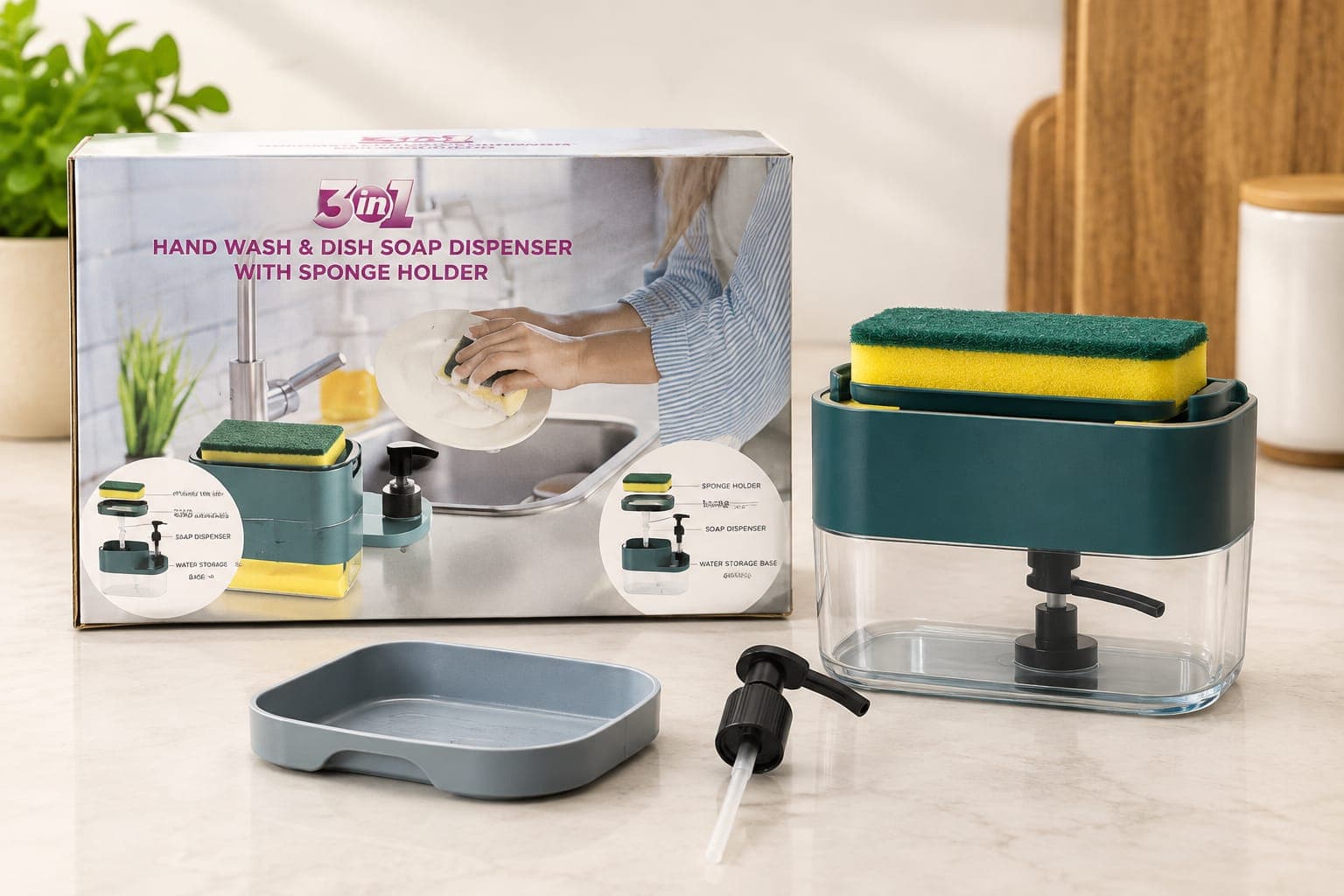
Keep your 3-in-1 Soap Dispenser near the sink and your Steel Salt & Pepper Shakers near the stove: items grouped by how they're actually used read as organized, while the exact same items scattered elsewhere read as messy no matter how nice they are individually.
Limit yourself to three "display" zones
Pick three specific spots for decorative-functional items (a jar, a bowl, a vase) and keep everything else off the counter entirely. Endless small items spread across every surface is the actual cause of "cluttered," far more than total item count is.
Match heights within each zone
A tall and a short item placed next to each other in the same cluster reads as intentional styling. Three items of near-identical height lined up in a row tends to read as accidental, even when it isn't.
Use a considered piece as your anchor
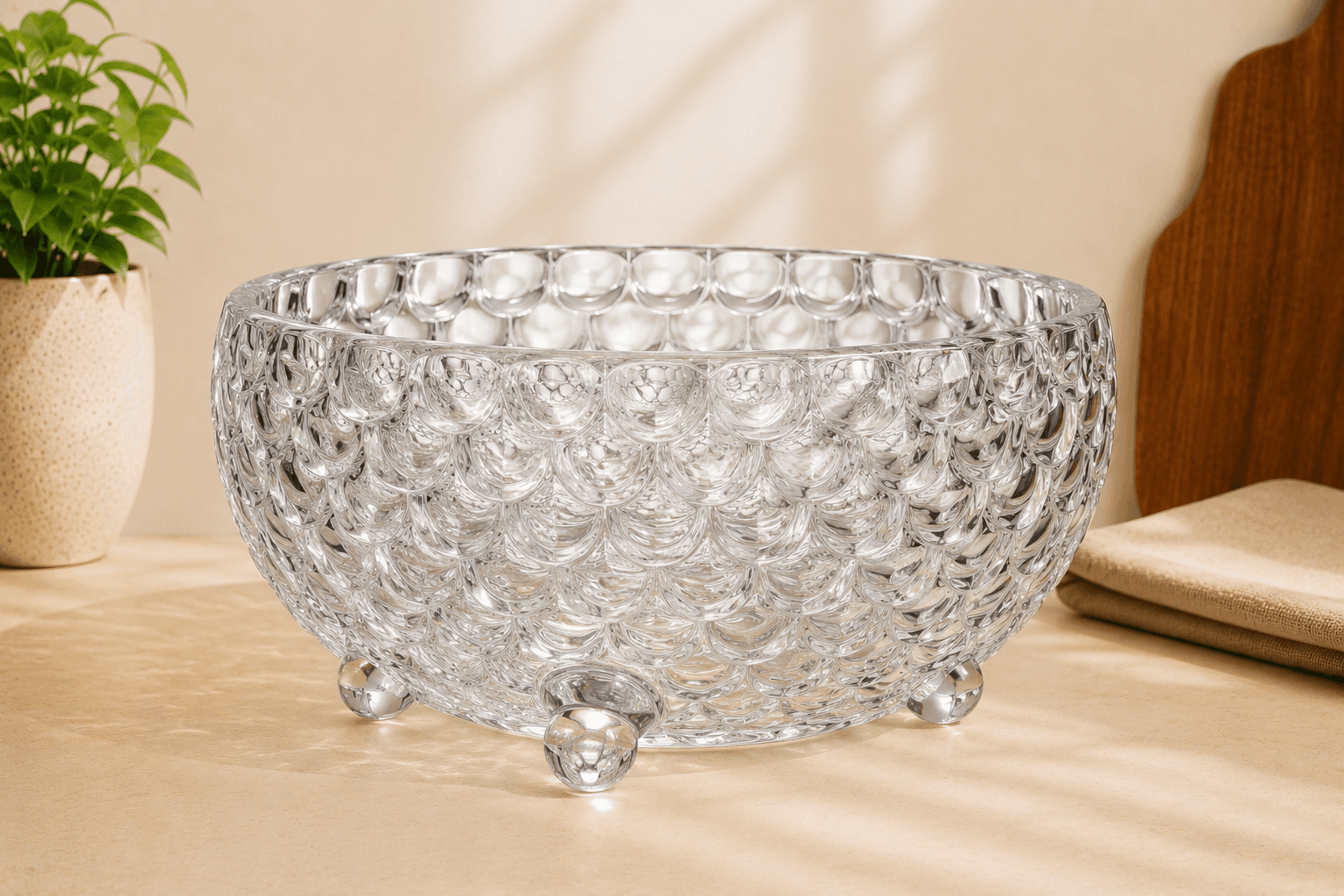
A Crystal Glass Vase works well as the anchor for one display zone: pick one nice piece per zone rather than filling each spot with several smaller, competing objects.
Consolidate what you can
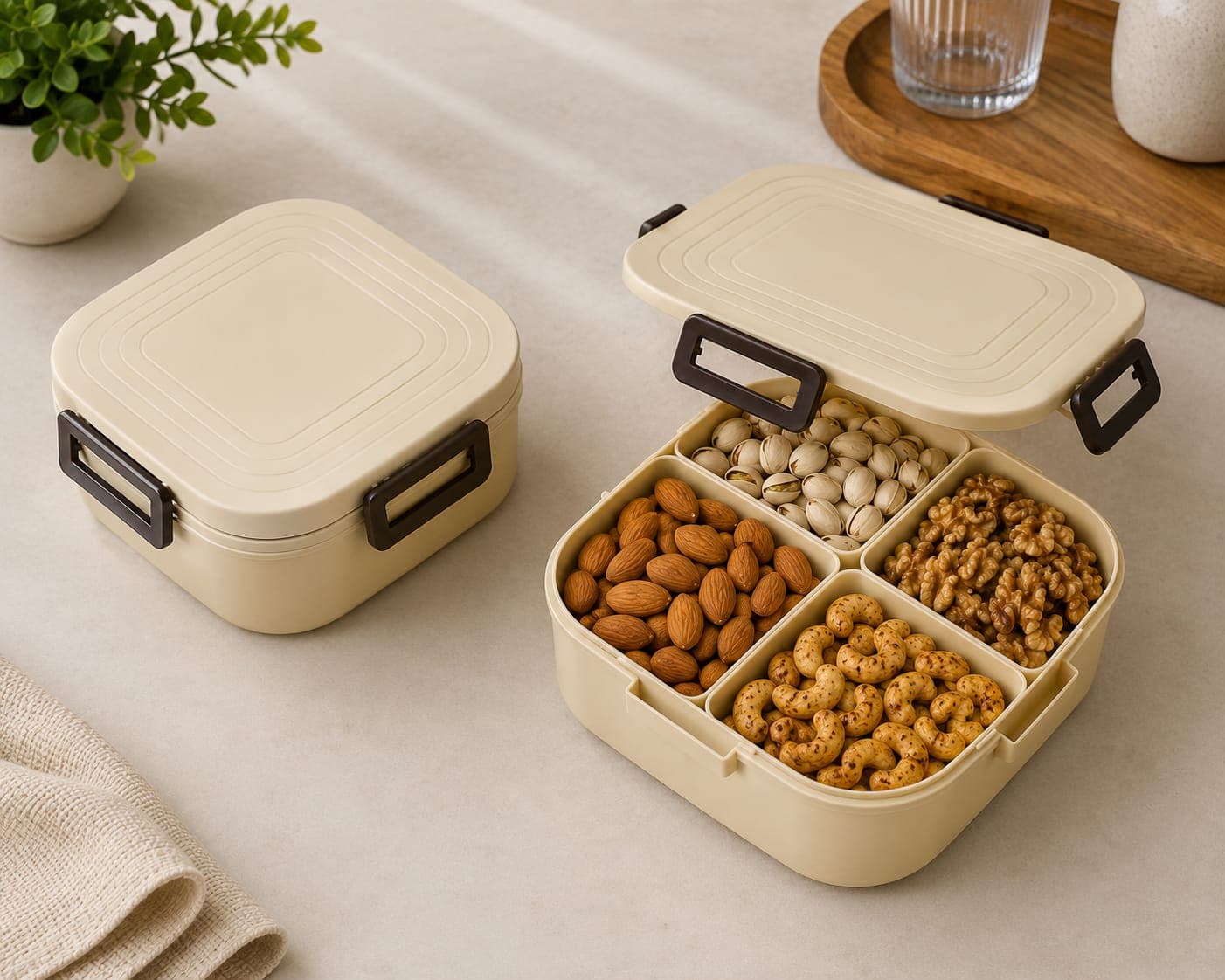
A full Kitchen Organizer Combo reduces the total number of individual items competing for counter space in the first place: sometimes the real fix for clutter is fewer containers doing more jobs, not better arranging of the same number.
Clear the counter completely once a week
Even a well-styled counter benefits from a full reset: wipe everything off, then put back only what earns its spot. It's a fast habit that prevents slow clutter creep from ever building up unnoticed.
The real test
If you can't quickly explain why each item lives exactly where it does, the counter probably needs an edit. Intentionality is what separates "styled" from "cluttered", not the raw number of items sitting out.
Account for your actual cooking style
Someone who cooks elaborate meals daily needs more accessible counter tools than someone who mostly reheats: style the counter around your real habits, not an aspirational version of how you'd like to cook. A counter styled for a lifestyle you don't have will drift back to clutter fast.
Revisit the setup after any life change
A new baby, a new roommate, a new appliance: any of these shifts what needs to live on the counter. A styling setup that made sense six months ago is worth re-auditing rather than assuming it still fits how the kitchen is used today.
Photograph your counter before making changes
A quick photo, reviewed later, often reveals clutter patterns you stop noticing in person after living with them daily. It's a fast, low-effort way to see the counter the way a first-time visitor would.
Small kitchens need this discipline more, not less
In a compact kitchen, every item on the counter takes up a proportionally larger share of the total visible space: the grouping, zoning, and height rules here matter even more in a small kitchen than a spacious one, where a few extra items get more visually absorbed.
Keep a designated "landing spot" away from the styled zones
Keys, mail, and phone chargers need somewhere to go that isn't your styled display areas: a small tray or bowl set aside specifically for daily clutter keeps it from slowly creeping into the zones you've deliberately arranged.
Reassess after buying anything new for the kitchen
A new appliance or gadget changes the available counter space and can throw off an otherwise-balanced setup: treat any new purchase as a trigger to re-audit the whole counter, not only find a spot to squeeze it into.
Let go of the "everything visible" instinct
Not every countertop tool needs to live out in the open. Some earn a permanent display spot, but plenty of others are better stored just out of sight and pulled out only when needed, freeing up the counter for what deserves to be seen.
Ready to gift?