Home Decor & Styling
How to Choose Glassware That Actually Matches Your Kitchen

Glassware shopping tends to spiral fast: too many options, no clear framework for what actually fits your kitchen or your habits, and an easy way to end up with a cabinet full of pieces that don't quite work together as a set.
Match tone, not only color
Warm-toned kitchens (wood, brass) pair better with the Smoke Glass Straw Mug or amber tones from the Ribbed Glass Straw Jar Set. Cooler kitchens (steel, white) lean better toward clear pieces like the Crystal Glass Vase, which reflect that palette rather than fighting against it.
Texture over pattern
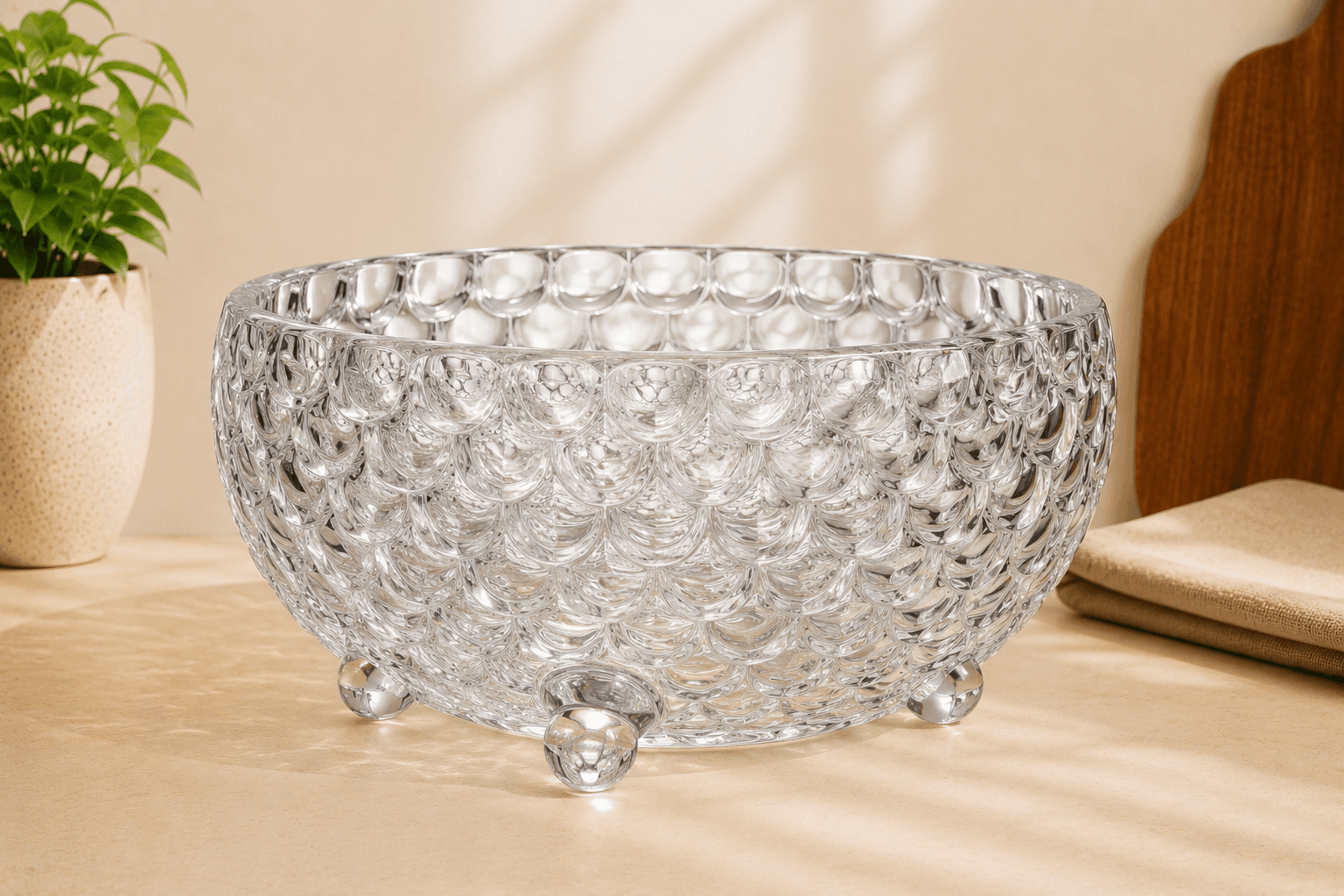
Textured glass (bubble, ribbed) ages better visually than printed patterns, which can start to feel dated within a couple of years as trends shift and move on. The Bubble-Textured Glass Jar is a good example of texture doing the design work instead of a printed motif that eventually feels tied to a specific moment in time.
Buy for the counter you have, not the counter you want
If your counter space is limited, prioritize multi-use pieces like the Glass Straw Tumbler Mug over purely decorative ones that only justify themselves with more room around them than you have available.
Think about how it sounds and feels, not only how it looks
Heavier glass with a satisfying weight in hand tends to get used more than lighter, thinner pieces, even when both look nearly identical in photos online. Pick up a piece before deciding, if you can, rather than judging purely by an online image alone.
One rule that always works
If you're unsure, clear glass is the safest choice. It adapts to almost any kitchen palette, which colored or heavily patterned glassware can't always do as your other decor changes and evolves over the years.
Consider durability alongside looks
Daily-use pieces should be able to handle a dishwasher and the occasional bump against the counter edge: check this before falling for a design purely on appearance, especially for anything that'll see regular daily use rather than sitting on display.
Think ahead about replacements
Buy glassware in a style you can reasonably find again later: sets with a single unique piece are harder to top up if something breaks, while a more standard, widely available shape keeps your collection easy to maintain over time.
Factor in how it photographs, if that matters to you
If you enjoy sharing table settings or drinks online, clear or lightly textured glass photographs more reliably under most lighting than heavily colored glass, which can shift unpredictably depending on the light source.
Consider how your glassware will be used daily
Everyday drinking glasses like the Glass Straw Tumbler Mug should prioritize grip and durability, while occasional-use pieces like a Premium Champagne Flute Set can afford to be more delicate since they're handled less often.
Let your existing servingware guide new purchases
If you already own the Blue & White Porcelain Dinnerware Set, lean toward clear or lightly tinted glass rather than heavily patterned pieces that would compete with a dinnerware set you've already committed to.
Build a small "everyday" and "occasion" split
Keep a few durable, dishwasher-safe glasses for daily use and a smaller, nicer set reserved for guests: trying to make one single set do both jobs usually means it does neither particularly well.
Test a single piece before committing to a full set
Live with one glass from a style you're considering for a couple of weeks before buying the whole set. It reveals whether the weight, grip, and size suit your daily habits, not only how it looks in a product photo.
Account for how many people you're serving
A household of one or two can get away with more delicate glassware than a household that regularly hosts a full table: practicality should weigh in alongside pure aesthetic preference here.
Think about storage space before buying more
Beautiful glassware still needs somewhere to live: measure your available cabinet space honestly before adding a new set, since overcrowded storage risks chips and breakage that undermine the investment entirely.
Ask what you're replacing, not only adding
New glassware works best when it's replacing something worn or mismatched rather than simply piling onto what's already there: a clear-out alongside the purchase keeps the whole collection feeling hand-picked.
Don't buy the whole set at once
Start with one or two pieces, live with them for a few weeks, then build out from there gradually. It's easier to course-correct on a small purchase than a full glassware overhaul you're not sure you'll love in six months.
Ready to gift?