Home Decor & Styling
How to Choose Decor for a Rented Apartment You Can't Paint
Renting means the walls are usually off-limits: no bold color-blocking, no accent wall, sometimes not even a nail hole without a conversation with your landlord. That doesn't mean the space has to feel generic. It just means everything has to work through objects and arrangement instead of paint and permanent fixtures.
Lean harder into objects than you normally would
Since color-blocking a wall isn't an option, pieces like the Deer Mug or a Marble-Finish Canister Set with Tray have to do more visual work than they would in a home you actually own. Choose fewer, more distinctive pieces rather than many small generic ones: a rental room reads as intentional faster through one striking object than through ten forgettable ones.
Prioritize things that will move with you
Every piece you buy for a rental should be able to travel to your next place without looking out of context there. This makes a strong case for well-made, relatively neutral decor over trend-driven or disposable pieces that only suit this specific apartment's quirks: a Crystal Glass Vase works in almost any next home you land in.
Layer texture instead of chasing color
When you can't change wall color, textured glass and ceramics add visual interest without needing anyone's permission. A Ribbed Glass Straw Jar (Set of 3) or the Bubble-Textured Glass Jar gives a room depth through light and shadow rather than pigment, which is often more interesting anyway.
Use rugs and trays as your "wall color"
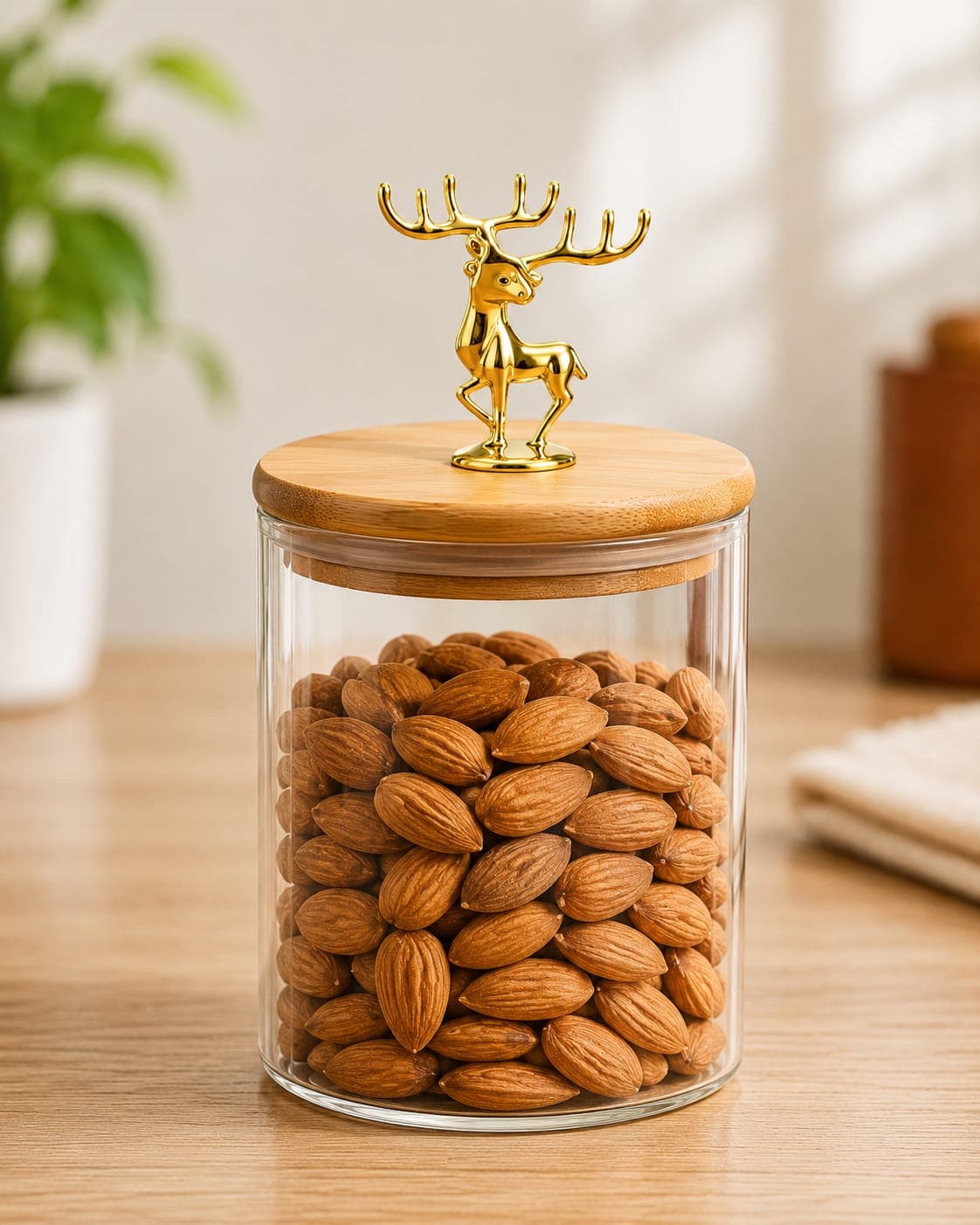
If a wall can't set the tone, a rug or a large tray under your styled objects can. Anchoring a cluster of decor (the deer jar, a vase, a small dish) on one tray creates a defined zone that reads as deliberate, almost the way a painted accent wall would, but fully removable at lease-end.
Borrow height where you can
Renters often can't install shelving either, so use furniture you already have (a bookshelf, a console, the top of a wardrobe) to create vertical interest. Placing your best piece, like a Deer Mug, at eye level rather than tucked on a low shelf changes how much it registers in the room.
Keep a "landlord-safe" toolkit
Command strips, freestanding shelves, and tension rods let you fake permanence without drilling. Combine these with your object-based styling so that even temporary fixes look considered rather than obviously makeshift.
Remember that renting is temporary, but taste doesn't have to look temporary
The goal isn't to make a rental look like you own it. It's to make it look like you chose it. Good glassware and ceramics do that job quietly, without needing a single coat of paint or a single hole in the wall.
Invest slightly more than feels comfortable for a rental
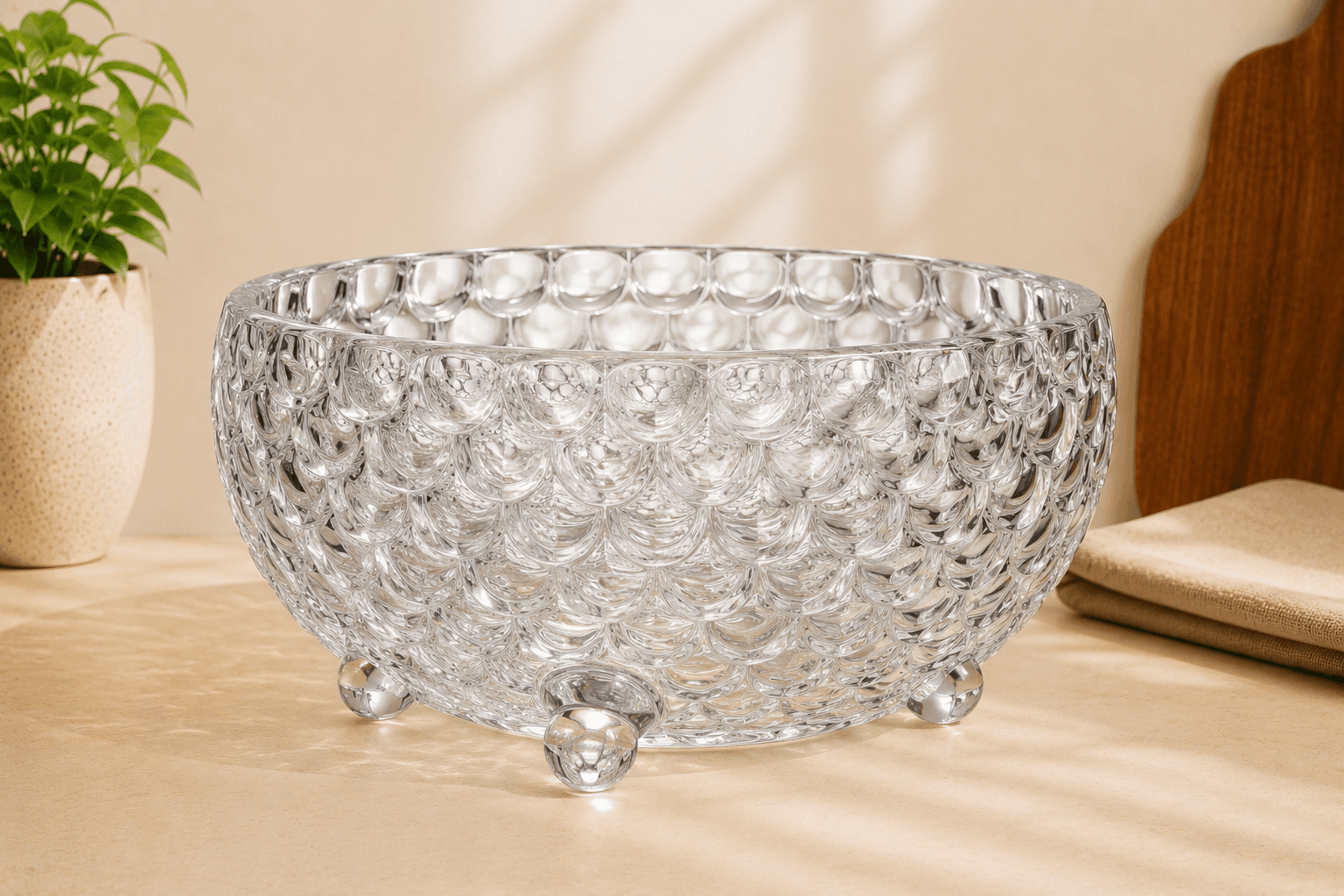
It's tempting to buy the cheapest possible decor for a space you don't own, reasoning you'll upgrade "once you buy your own place." In practice, a nice piece like a Crystal Bowl on Ball Feet gets used and enjoyed for years across multiple rentals: the "temporary home" mindset shouldn't mean temporary-quality objects.
Group your best pieces together rather than scattering them
A single strong cluster (a jar, a vase, a tray) on one console or shelf reads more intentional in a rental than the same pieces spread thin across every room trying to compensate for plain walls everywhere at once.
Negotiate small permissions before assuming they're off-limits
Not every landlord enforces a strict no-changes policy equally. Some allow small nail holes for lightweight art, or removable wallpaper panels, if you simply ask. It's worth a short conversation before defaulting entirely to object-based styling; you may have more flexibility than the lease's boilerplate language suggests.
Use mirrors to multiply your styled corners
A well-placed mirror doubles the visual presence of whatever's styled near it: a Deer Mug reflected in a mirror effectively becomes two objects working for the price of one, which is a particularly efficient move in a rental where you're trying to maximize impact per purchase.
Document the "before" state for your deposit
Before adding any hardware, even the landlord-approved kind, take photos of the original wall condition. This protects your deposit at move-out and gives you a clear baseline to restore to, so you can style confidently now without worrying retroactively about what needs undoing later.
Ready to gift?