Gifting Guides
Gifts for Someone Recovering from an Illness
Gifting during recovery needs a gentler touch than celebratory gifting typically requires: comfort matters more than excitement here, and the wrong tone, too cheerful or too demanding of a visible reaction, can land worse than giving no gift at all in this situation.
For staying hydrated, gently encouraged
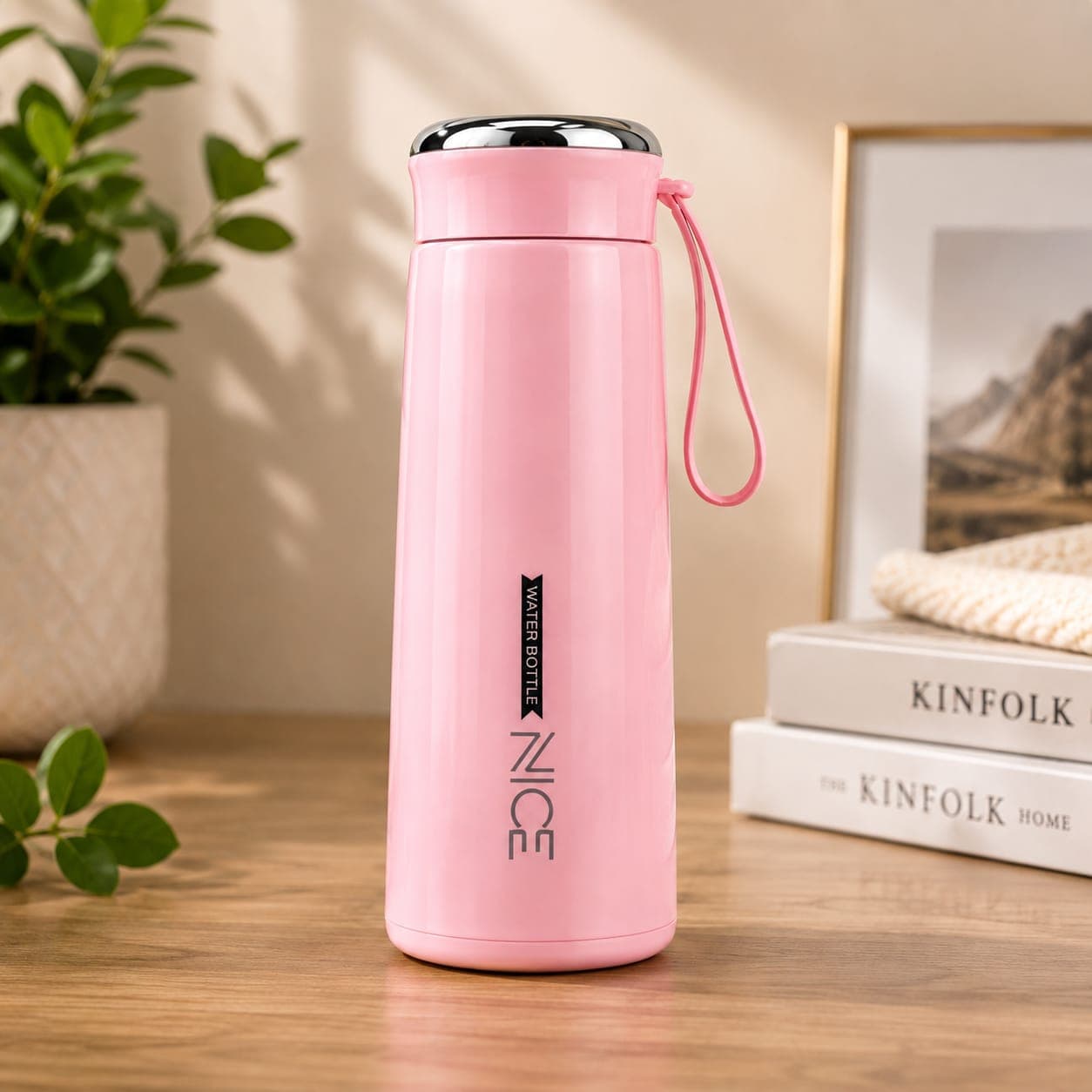
A Steel Insulated Water Bottle is a quiet, useful nudge without being preachy about "getting better soon." It solves an actual, practical problem (people recovering from illness often forget to hydrate properly through the day) without turning the entire gift into unsolicited health advice they didn't ask for.
For comfort at home
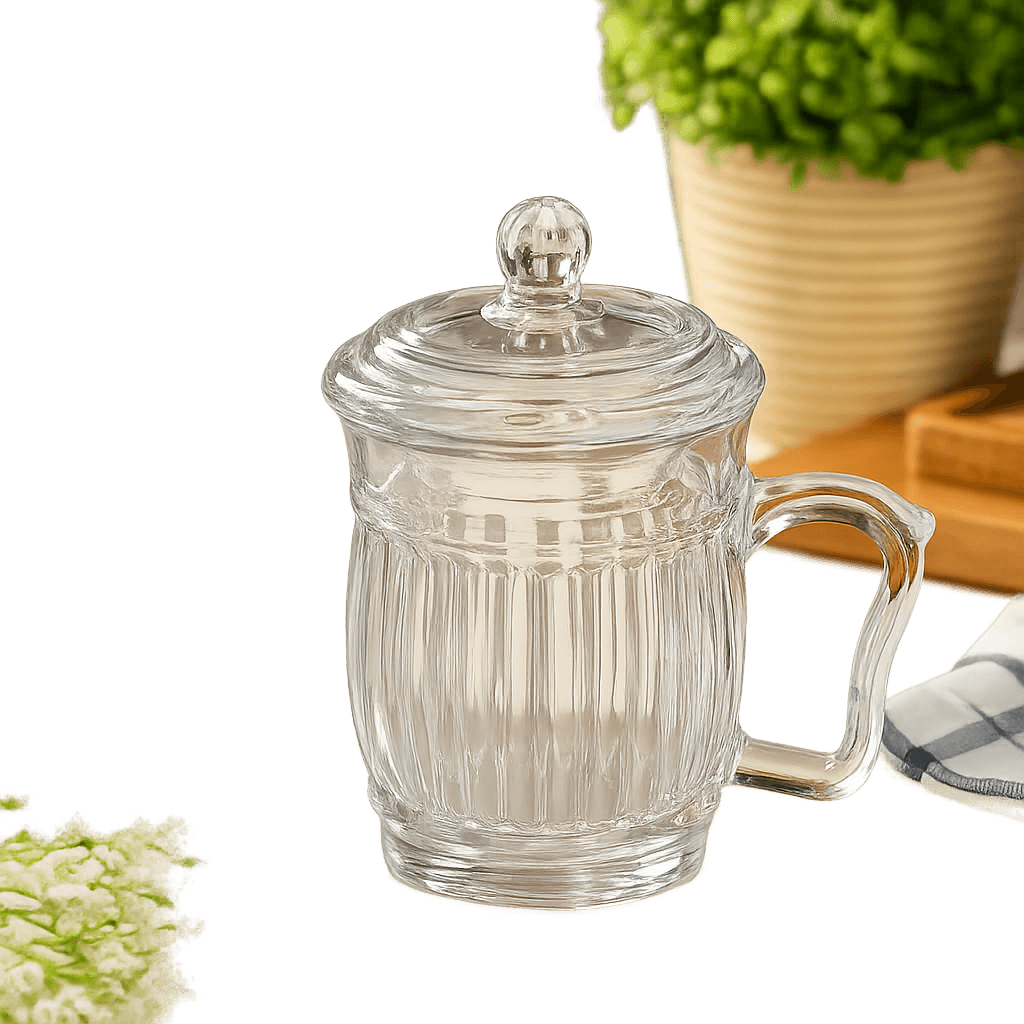
A Ribbed Glass Mug with Lid for tea or soup adds a small, genuine comfort to a difficult stretch of time, and the lid matters more than it might sound like on paper: spill-resistant design is useful for someone who might be resting in bed rather than sitting upright at a proper table.
For meals that don't require much effort
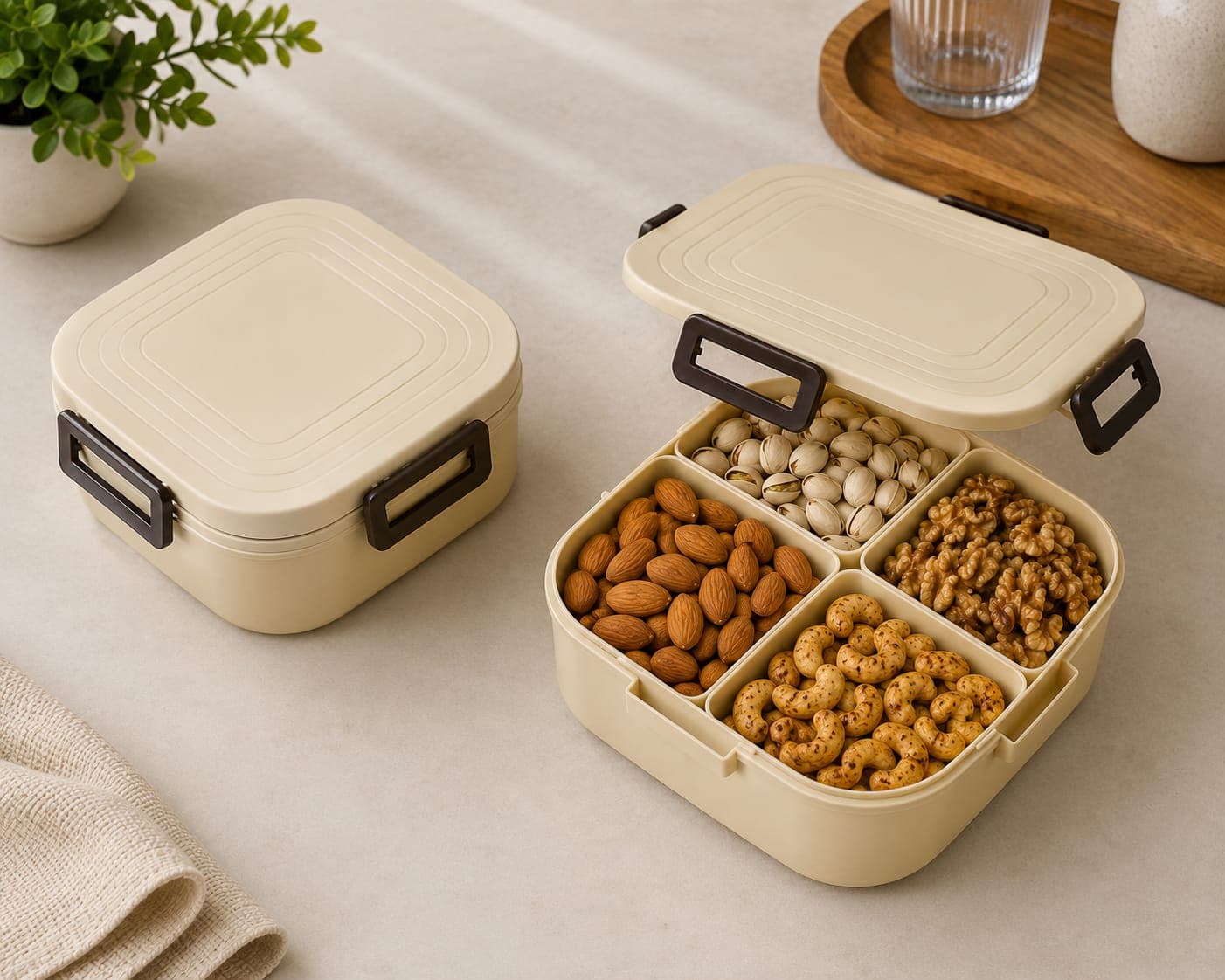
A Salad To-Go Jar with Dressing Cup makes it noticeably easier for someone (them or a caretaker) to prep simple, portable meals without much kitchen effort during a stretch when even basic cooking feels like far too much to manage.
Consider something purely visual, not functional
A Smoke Glass Straw Mug or similar small glass piece placed by the bedside adds a bit of everyday beauty to a space that's likely started to feel clinical over time: pill bottles, tissues, and medical paperwork tend to dominate a recovery space, and one nice object counterbalances that visually.
Keep the gift low-maintenance to receive
Avoid anything that requires assembly, care instructions, or active engagement in order to enjoy it. Recovery already demands enough energy from someone as it is: the gift should ask nothing further of the recipient beyond simply having it nearby and available.
Don't over-explain the gift's meaning
Resist the urge to write a long note about how the object symbolizes healing or inner strength: simple and warm outperforms elaborate and overly meaningful here, every time. A short "thinking of you, hope this helps a little" does considerably more than a paragraph trying to assign deep significance to a mug.
Consider the length of the recovery
A short-term illness calls for a lighter touch than a longer recovery stretch, for anything extending weeks or months, checking in periodically with small gestures spread out over time often matters more than one larger gift delivered all at once early on.
Respect their actual energy levels
Some people recovering want visitors and conversation; others want to be left alone entirely. If you're unsure which your friend needs, a gift dropped off without expecting a visit or an immediate thank-you removes any social obligation from an already draining situation.
What matters more than the object
A short, genuine note and the offer of actual practical help (a meal, a ride, quiet company) matters more here than any specific gift ever could. Keep the entire gesture light and low-pressure; recovery gifting isn't about impressing anyone at all, it's about showing up without adding to their existing load.
Consider the caretaker too, if there is one
Someone caring for a recovering person often carries significant, invisible strain of their own: a small gift or gesture acknowledging the caretaker specifically, alongside whatever you give the person recovering, recognizes a role that rarely gets any attention during someone else's illness.
Keep future gestures spaced out sensibly
For a longer recovery, spacing small gifts or check-ins across weeks rather than delivering everything at once keeps the support feeling sustained rather than front-loaded and then forgotten once the initial concern has passed.
Ask before assuming what they can use
Dietary restrictions, mobility limits, or specific medical guidance during recovery can make certain gifts less useful than they'd otherwise be: a quick check with a close family member, if you're not sure, avoids an item that ends up unused despite good intentions.
Keep your visit brief if you do visit
If you deliver the gift in person, keep the visit itself short unless invited to stay longer: recovery often means limited energy for socializing, and a brief, warm drop-off respects that better than a long visit would.
Ready to gift?