Gifting Guides
Children's Day Gifts for the Kid Who Has Everything
The kid who has every toy on the shelf is one of the harder Children's Day shopping problems there is: another action figure or board game just adds to a pile that's already being ignored by December. Here's what actually gets noticed instead, whether you're a parent, an aunt, or a family friend trying to stand out from the usual toy pile.
Why more toys stop registering
Past a certain point, a new toy competes for attention against dozens of others already sitting untouched in a bin. The novelty that made toy gifting effective at age three or four fades hard by seven or eight: kids that age respond far more to things that feel personal or grown-up than to one more item in the same category they already have plenty of.
Skip the toy aisle entirely
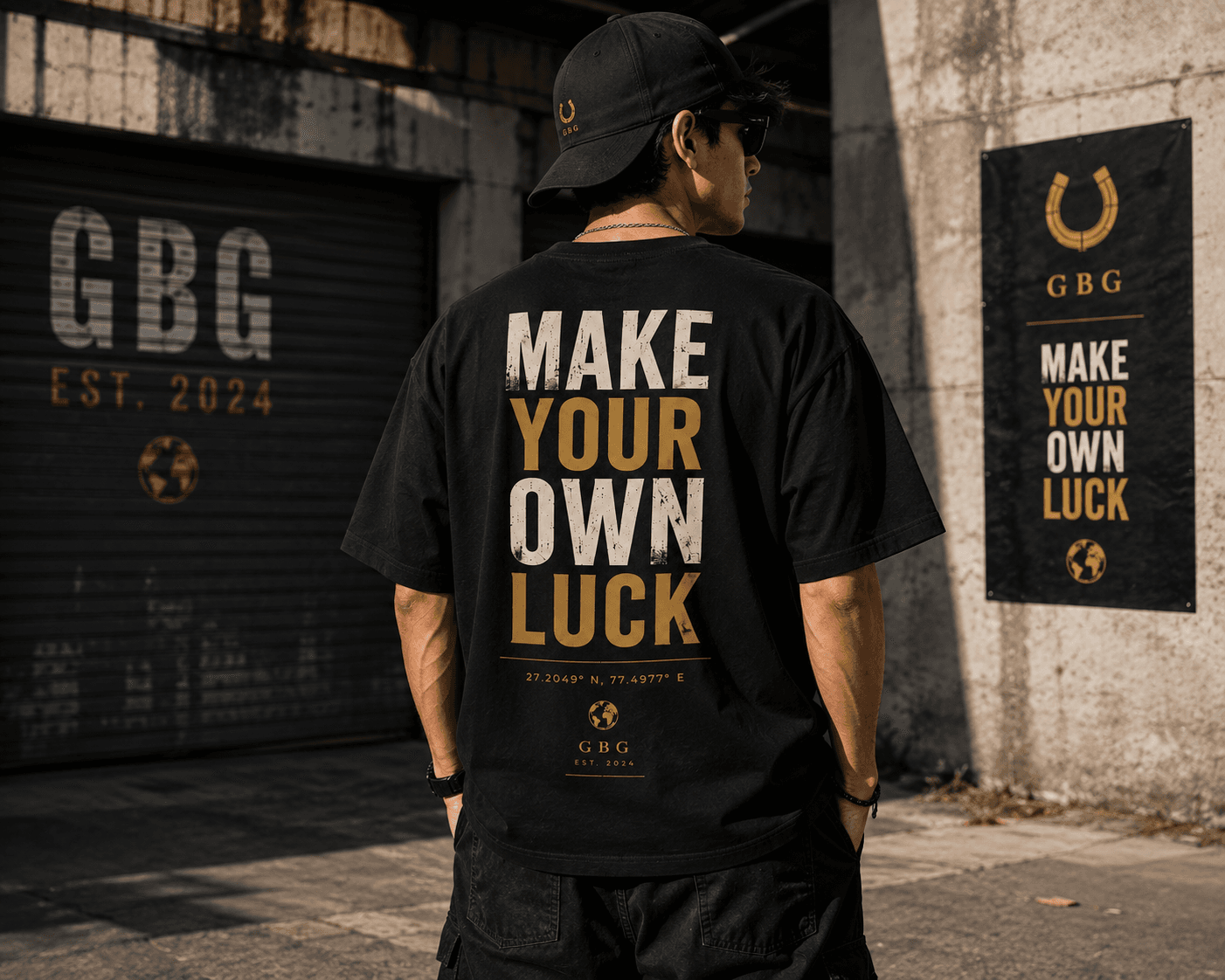
Kids who already own everything have usually stopped registering new toys the same day they arrive, unwrapped and forgotten within the hour. A wearable piece from Urban Rebels or Originals Never Chase works differently, especially for older kids who already have real opinions about what they wear: a good graphic tee gets chosen and worn on purpose, a different kind of attention than a toy ever gets.
Give them ownership of something at the family table
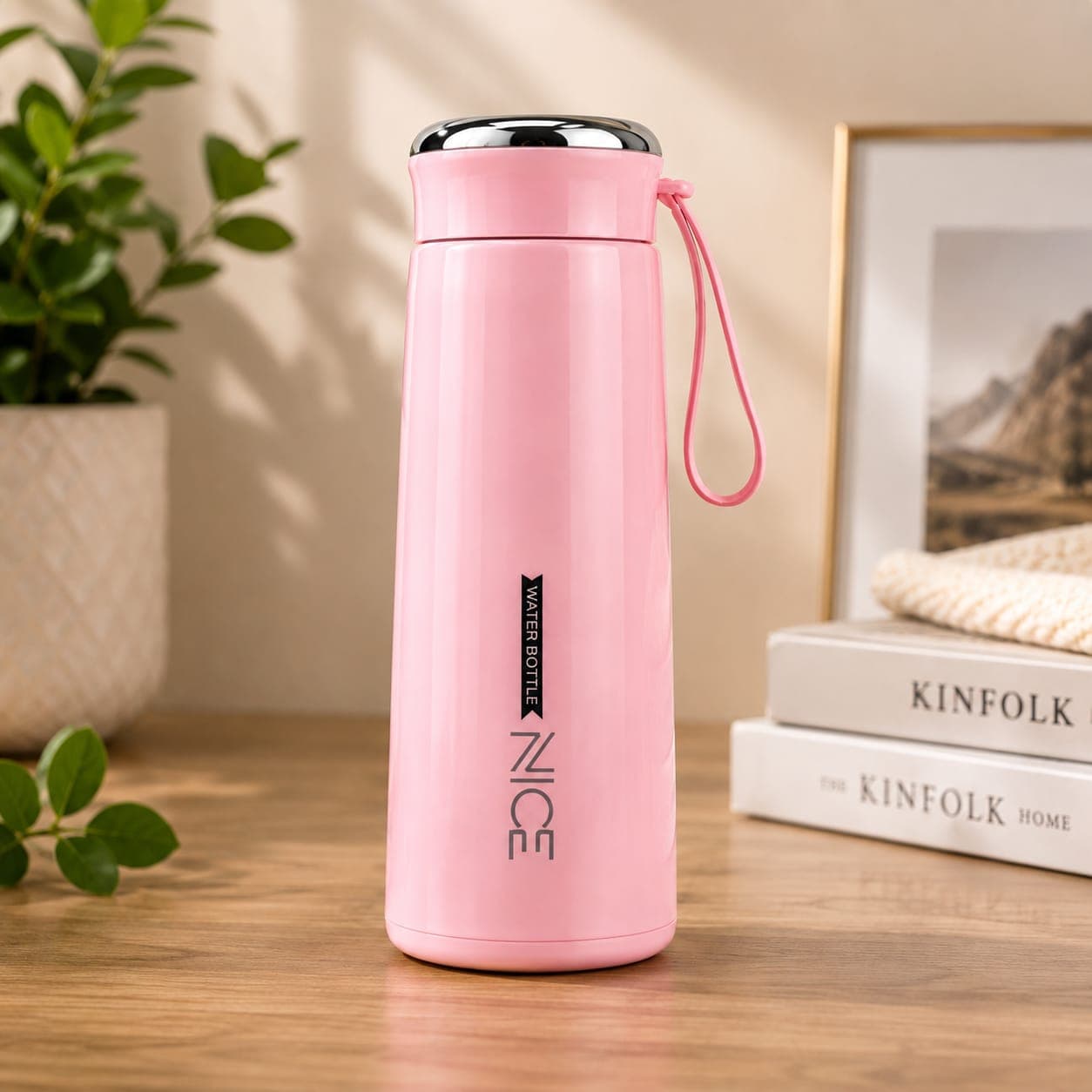
A small piece from Home Decor, designated permanently as theirs (their cup, their bowl, their spot at dinner) gives a kid something no toy collection can: real ownership over a small piece of a shared, usually entirely adult-controlled space.
Put their actual name on something
A Personalized Birthday Mug or Personalized Birthday Cushion with their name printed on it lands differently from anything mass-produced. Kids who own dozens of near-identical toys often own almost nothing with their actual name on it: that specificity makes a fairly simple object feel special.
Consider skipping the object altogether
Some of the most memorable Children's Day gifts aren't things at all: a promised outing where they pick the activity, an afternoon of a parent's undivided attention, or a small ceremony around something they're proud of. A kid who's materially got everything is very often shortest on exactly that kind of focused time.
If you do want something made just for them
A Design Your Own piece (their name, a drawing they made themselves, or a family inside joke only they'd get) beats anything off a shelf precisely because it couldn't have been bought for any other kid.
Match the gift to their actual age
A seven-year-old and a thirteen-year-old have almost nothing in common as gift recipients, despite both technically qualifying as "kids." The wearable-and-personalized approach scales well for older children forming their own taste, while younger kids often respond better to something experiential than to another physical object.
Presentation still counts
However small the actual gift ends up being, how it's wrapped still registers with kids far more than adults tend to assume. A properly wrapped, slightly mysterious package gets genuine excitement out of a child in a way an obviously-a-toy-shaped gift bag never quite does.
Ask them directly, within reason
Kids old enough to already have "everything" are usually old enough to articulate what they want, if you ask specifically rather than generally. "What's something you'd use every day?" tends to produce better answers than "what do you want for Children's Day?": the second question just invites a wishlist of more toys.
Consider gifting an experience alongside the object
A small physical gift paired with a plan (a movie afternoon, a trip to a place they've been asking about, an hour of a parent's full attention with the phone away) often outperforms either given alone. The object becomes a memento of the day rather than the entire point of it.
Don't underestimate the "grown-up" gift
Kids who already have everything a kid is supposed to want are often quietly interested in things that feel more adult. Their own drinkware, their own styled corner of a room, something that isn't obviously marketed as a children's product at all. Treating them as capable of appreciating a nicer object, rather than a louder one, tends to land better than expected.
Watch for the sibling comparison trap
If you're gifting to multiple kids in the same family, the specifics matter enormously: a personalized item with one sibling's name and a generic item for the other reads as unequal even if the prices matched exactly. Keep the format consistent across siblings even when the individual gifts differ.
Let the gift reflect who they're becoming, not only who they are
A kid who has outgrown most toys is often signaling an interest in a new stage: more independence, more say in personal style, more ownership over small decisions. Gifts that acknowledge that shift, rather than treating them as a younger version of themselves, tend to be the ones that get remembered past the day itself.
Ready to gift?